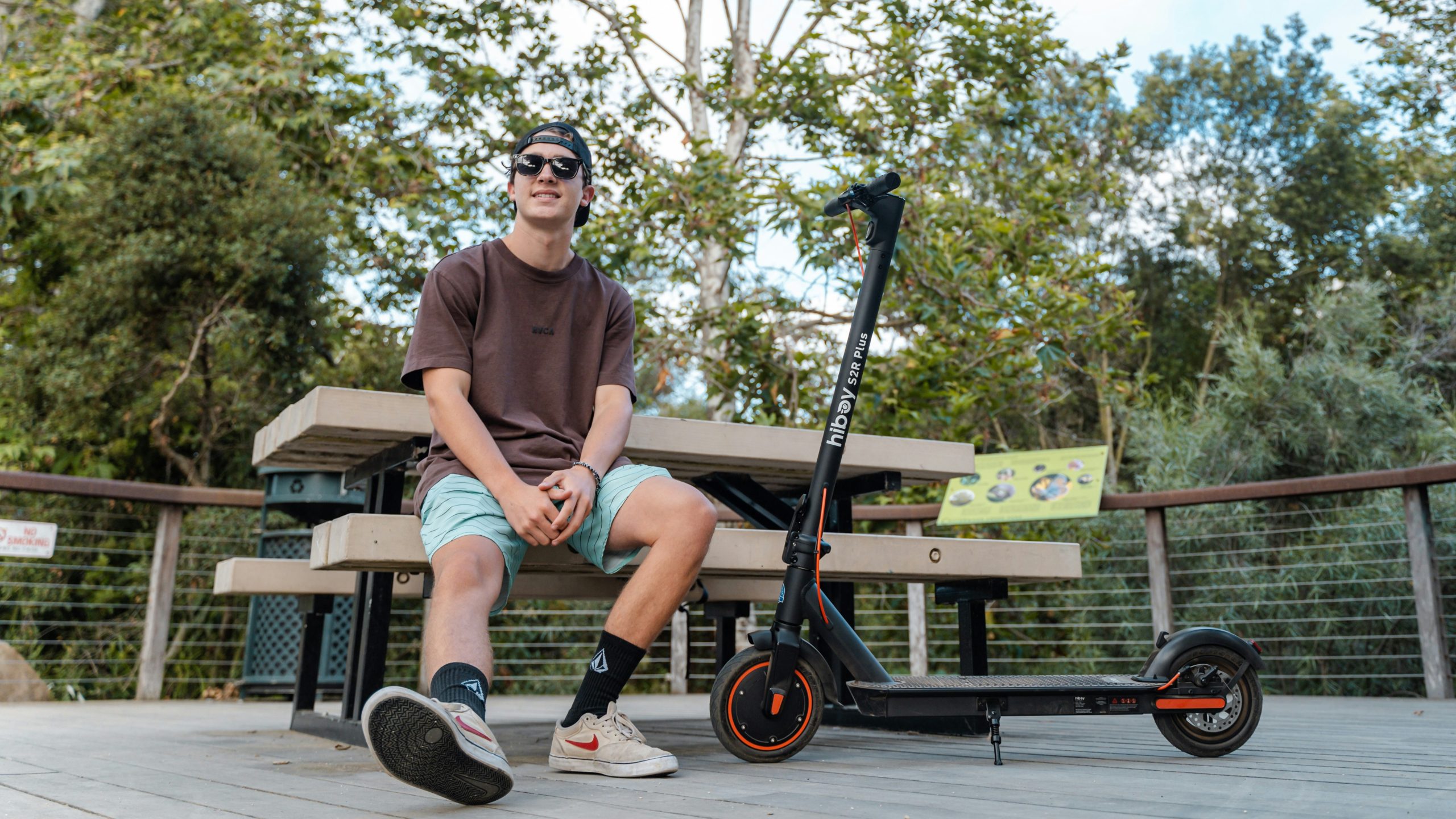
TL;DR — Key Takeaways for electric scooter safety
electric scooter safety matters whether you’re commuting three blocks or riding miles — and VoroMotors’ how-to video breaks the basics into five clear steps (0:20–3:30). The creator explains the five core steps as: 1) kickstarts (rolling start), 2) grip (both hands), 3) throttle (steady pressure), 4) steering (turn low, lean high), and 5) braking (shift weight back, pull both brakes evenly). Those steps are demonstrated with first-time rider Miriam in the video (0:20–3:30) and shown to build control quickly.
Three quick, actionable items:
- Do a pre-ride check (fold/lock, tires, brakes, battery, lights).
- Use a rolling start (kickstart) before applying throttle — it prevents sudden jolts.
- Pull brakes evenly while shifting weight back to avoid tipping forward.
The creator explains these steps and why they matter in the VoroMotors video — watch the full demo here: https://www.youtube.com/watch?v=kyQrT2NumOM. If you only remember one thing: practice the five skills in a safe space for at least 20–30 minutes before riding in traffic.

Electric Scooter Safety: Core Riding Skills (Step-by-step)
Main thesis: the creator explains that mastering five basic skills gives riders control and reduces accidents. In the video, Miriam (a first-time rider) walks through each step so you can see how a new rider progresses (video 0:20–3:30).
Below you’ll find a practical, data-backed breakdown of each step with actions you can practice today — and specific facts so you know what to expect.
Step — Kickstarts (rolling start)
What it is: a kick-to-start means you push the scooter until the motor will engage (typically at ~2–3 mph for many consumer scooters). Zero-start lets the throttle power the scooter from rest; that’s more abrupt.
Facts: most beginner-friendly scooters set the kick-to-start threshold at roughly mph (3.2 km/h), and a rolling start reduces initial motor torque jolt by up to an estimated 30–50% compared with immediate throttle from a dead stop in some models.
How to practice: push off with a strong leg, stand with feet staggered, and once you feel 2–3 mph, ease onto the throttle. The creator explains kick-start is best for beginners because it reduces surprises when the motor spins up.
Step — Grip
What it is: keep both hands on the handlebars — all essential controls are there (throttle, brake levers, mode buttons). The video shows Miriam gripping comfortably so she can react quickly to obstacles (video 1:05–1:30).
Facts: losing one hand increases reaction time to steering corrections by a measurable margin (human factors studies show single-handed steering reduces control in sudden maneuvers by ~20–40%); cockpit familiarity (knowing which button does what) cuts decision time when you need to react.
Practice: before you ride, locate horn/lights/mode buttons and practice small steering corrections while holding both hands.
Step — Throttle
What it is: apply steady, even pressure on the throttle. Avoid slamming it — that sudden torque can throw you off balance (video 1:30–2:10).
Facts: abrupt throttle application can reduce stability margin by increasing forward pitch; many scooters reach 0–15 mph in under 3–6 seconds at full throttle depending on motor power (250W–1000W). The creator demonstrates moderation: “ease onto the throttle” (approx. 1:30).
Practice: practice throttle modulation at low speed — accelerate gently to your target and hold steady.
Step — Steering
What it is: use handlebars to steer at low speeds; at higher speeds, lean into turns using core muscles. The video shows how Miriam shifts weight to maintain control (video 2:10–2:50).
Facts: turning the bars abruptly at 15+ mph can destabilize the front wheel; leaning shifts center of gravity and reduces the turning radius effectively. Engaging your core improves reaction to lateral forces by ~15–25% over relaxed posture.
Practice: make slow figure-eights to feel steering inputs, then practice lean turns at moderate speeds.
Step — Braking
What it is: shift weight back and pull both brakes evenly. For dual-brake scooters, front and rear share stopping force; practice to find the braking pattern that avoids fishtailing (video 2:50–3:30).
Facts: at mph (24 km/h), typical stopping distances for small scooters under good brakes and tires range from 6–12 meters (20–40 feet) depending on surface and rider weight; distributing braking between front and rear reduces stopping distance and improves stability.
Practice: do repeated stops from 12–15 mph to learn feel. As demonstrated in the video, use gradual, even pressure and shift your hips back as you brake.
As demonstrated in the video and according to VoroMotors, these five skills — kickstarts, grip, throttle control, steering and braking — are the foundation for safe riding. The creator explains each step with clear demos so you can copy the motions and practice them in a parking lot before commuting.
Kickstarts, Throttle & Braking Techniques (Detailed how-to)
Practice drills — do these in a safe, flat area (empty lot or quiet park):
- Rolling start drill (10 repetitions): Mark a 30–50 meter straight line. From a stopped position, fold/unfold kickstand, push off with a strong leg and reach ~2–3 mph, then ease onto the throttle and hold steady for 10–15 meters. Repeat times to build consistent motor engagement.
- Throttle modulation drill: Accelerate gently to mph, hold for 5–10 seconds, then smoothly decelerate—repeat across a m distance for 8–12 reps. Focus on controlled pressure rather than full throttle bursts.
- Dual-brake practice: From 12–15 mph, apply both brakes evenly to come to a stop within a 30–50 meter run. Record stopping distance. Repeat until you consistently stop without fishtailing or front-wheel lock.
Metrics & recommended parameters: beginner speeds: 5–10 mph for initial practice; test distance: 30–50 meters per drill; expected stopping distance: 6–12 meters at mph on dry pavement with good tires.
Why these drills work: rolling-start drills teach you how momentum reduces torque shock; throttle modulation develops fine motor control to prevent forward pitch; dual-brake drills train weight transfer — when you brake, your center of gravity moves rearward, increasing rear-wheel traction while the front takes most of the stopping force. Practicing these builds muscle memory and reduces reaction time.
Quote from the video: the instructor encourages riders to “ease onto the throttle” at ~1:30 — that’s exactly the tactile cue you should simulate during these drills.
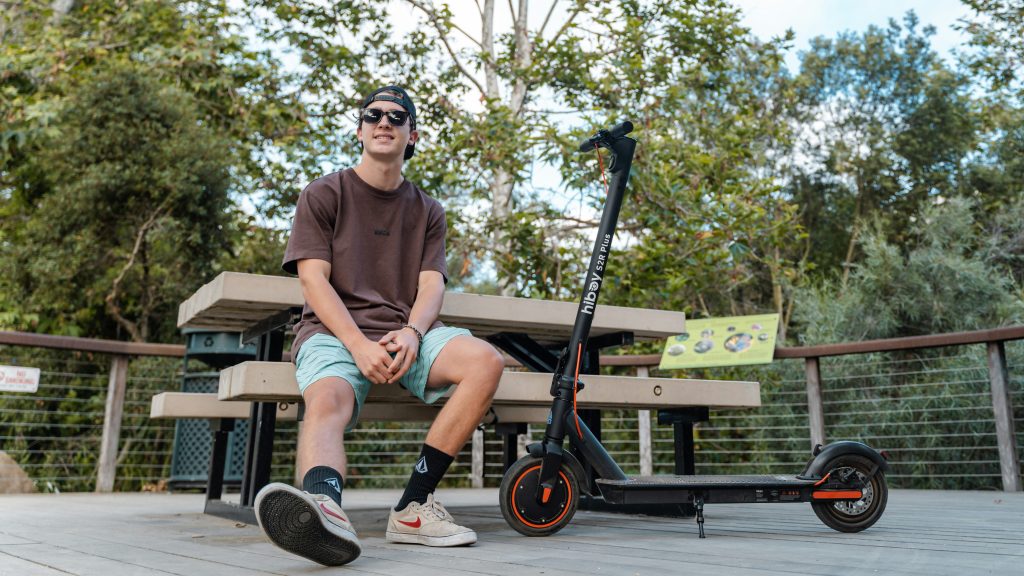

Pre-ride Checklist & Scooter Maintenance for electric scooter safety
Pre-ride checklist (quick, 60-second routine):
- Fold & latch: confirm folding mechanism is locked and stem is vertical.
- Tires: inspect for cuts, bulges, and check PSI (pneumatic: 30–50 PSI typical).
- Brakes: squeeze levers to check responsive travel; listen for squeal or grinding.
- Battery & dash: check charge level and dash indicators; press throttle gently while holding both bars to test response (video 3:30–4:00).
- Lights & horn: test front/rear lights and horn for visibility.
Maintenance schedule: weekly visual checks (tires, loose bolts), monthly brake adjustments and cable checks, and yearly professional service for high-use commuters (or every months if you ride daily over miles/week).
Measurable maintenance data: typical scooter battery cycle life ranges from 200–1,000 cycles depending on chemistry and care; pneumatic tire PSI commonly falls between 30–50 PSI; average brake pad wear is typically 6–12 months for city commuters depending on riding frequency.
How to do quick actionable checks:
- Check folding latch: visually inspect hinge and pull on stem to confirm no play. If there’s wiggle or creak, tighten bolts per manual torque specs or stop riding until fixed.
- Test brakes: from walking speed, squeeze levers to feel immediate engagement; from ~6–8 mph, do a short stop — spongy travel suggests air in hydraulic lines or worn pads.
- Identify tire damage: look for cuts, embedded glass, sidewall bulges, or excessive tread wear. Rotate or replace tires showing visible damage.
The creator explains the pre-ride process in the video and suggests testing throttle response while holding both handlebars (video 3:30–4:00). Do these checks every time you ride and keep a simple log if you commute regularly.
Choosing the Right Scooter for Commuting & Urban Use
Picking the right scooter is about matching performance to your commute. According to VoroMotors and as demonstrated in the video, test-riding is key — different scooter types suit different needs.
Scooter categories & use-cases:
- Commuter foldable: lightweight (25–40 lbs), easy to carry, ideal for multi-modal commutes; typical range 10–25 miles.
- Heavy-duty long-range: larger battery packs (500–1,600 Wh), more powerful motors (1000W–2000W), weight 50–90+ lbs; range 30–60+ miles.
- Off-road / dual-suspension: rugged tires, suspension, higher torque for hills and rough terrain; typical motor power 1000W+.
- Lightweight last-mile: ultra-portable (15–25 lbs), short range 6–12 miles, great for sub-1 mile hops and transit connectors.
Performance metrics to compare: range: 10–60+ miles; motor power: 250W–2000W; weight capacity: 100–330+ lbs. Foldable scooters trade battery range for portability — a lb commuter scooter may give 15–20 miles, while a lb long-range model could reach 40+ miles.
Concrete example: choose a Wh scooter if your round-trip commute is miles and your riding style averages ~25 Wh/mile — you’d get ~20 miles theoretical range but plan a 20% safety margin. VoroMotors points readers to a scooter comparison on their site; see VoroMotors’ main page for comparison tools: https://voromotors.com (video closing ~5:00).
How to match specs to commute:
- Calculate required range (one-way miles × + 20% margin).
- Factor in hills and weight — add ~10–25% to Wh/mile estimate for hilly routes or heavier riders.
- Pick weight capacity with a 20% safety margin over rider+cargo weight.
According to VoroMotors, always test-ride at a local store before buying and use the vendor comparison tools to shortlist models. The creator explains that handling and real-world range often differ from specs, so try before you buy.

Battery Life, Charging Options & Real-World Performance Metrics
Understanding battery specs and realistic range is critical for reliable commuting. The video shows checking battery and dash display before riding (video 3:30–4:00) — a small habit that prevents mid-ride surprises.
Key battery metrics:
- Nominal capacity (Wh): the usable energy in the pack; higher Wh means longer range.
- Advertised vs real-world range: manufacturers quote range under ideal conditions; real-world range drops with heavier riders, higher speeds, and hills.
- Typical chemistry: most scooters use lithium-ion (Li-ion) cells.
Cycle life & charge times: expect 300–1,000 cycles for Li-ion packs depending on cell quality and usage. On-board chargers commonly take 3–8 hours for a full charge; a Wh pack on a A charger takes ~8–9 hours, while a A fast charger could reduce that to ~2–3 hours but increases heat and long-term degradation risk.
How speed and load change range: typical consumption ranges from 10–30 Wh/mile. For example, at Wh/mile a Wh battery gives ~20 miles; carrying extra weight or riding at high speeds can double Wh/mile in demanding conditions.
Actionable checklist for daily energy planning:
- Calculate daily Wh need: miles × Wh/mile (ex: 10-mile commute at Wh/mile = Wh/day).
- Choose battery with >20% margin (so Wh need → choose 300+ Wh).
- Charge strategy: top up nightly, avoid deep discharges below 10%, store at ~50% for multi-week periods.
For more on battery care, read CPSC battery safety and manufacturer guidance; a good starting resource is the CPSC helmet and safety center and manufacturer battery pages linked in Resources below. The video demonstrates checking battery and dash before ride-off (video 3:30–4:00) — make it part of your routine.
Costs, Warranty, Insurance & Long-Term Ownership Analysis
Upfront costs are only part of ownership — plan for maintenance, replacement parts, and potential battery swaps.
Cost breakdown:
- Upfront scooter price: commuter models $400–$1,200, long-range $1,200–$3,500.
- Replacement parts: tires $20–$80 each, brake pads $15–$60, batteries $200–$800+ depending on capacity and vendor.
- Annual maintenance: estimate $100–$300/year for moderate commuters (minor parts, tune-ups); high-use riders should budget more.
Warranty expectations: common manufacturer warranties: electronics months, mechanical parts 6–12 months. Keep purchase receipts and photos of serial numbers to support claims.
Insurance & legal notes: coverage and requirements vary by city and country. Some jurisdictions require registration or insurance for higher-power scooters; otherwise, personal liability or homeowners/renters policies sometimes cover injuries or theft. Because this is under-covered by many competitors, consider asking insurers for micro-mobility add-ons or dedicated policies.
3-year total cost of ownership example:
| Item | $700 commuter | $2,000 long-range |
| Initial purchase | $700 | $2,000 |
| Annual maintenance (avg) | $150 | $200 |
| Battery replacement (year scenario) | $400 | $500 |
| 3-year total (estimate) | $1,400 | $3,300 |
Action items: read warranties carefully: note electronics exclusions, water-damage clauses, and battery coverage; photograph serial numbers, receipts, and any damage immediately; consider extended warranty if you depend on the scooter for commuting or buy third-party insurance for theft/liability.

Terrain, Modifications, Accessories & Safety Gear Recommendations
Where you ride changes what you need. The video recommends helmets and gloves (video 3:30–4:20) — and Miriam’s story shows that appropriate gear improves confidence quickly.
Terrain & tire recommendations:
- Pavement/City Streets: standard pneumatic tires (8–10″) for comfort and grip.
- Cobblestones/Light Gravel: wider pneumatic tires or shock-absorbing suspension; lower tire pressure increases comfort at the cost of rolling resistance.
- Hills/Off-road: knobby pneumatic tires and a model with higher motor power (≥1000W) and suspension.
Modifications — safe vs risky:
- Safe/legal: upgraded tires, better grips, lights, phone mounts, and licensed accessory parts per manufacturer guidance.
- Risky/illegal: increasing motor power beyond manufacturer specs, altering electronic speed limiters, or rewiring battery management systems — these can void warranties and may be illegal locally.
Always check the manufacturer’s guidance before modifying — competitors rarely detail mod legality; VoroMotors suggests consulting manuals or support before any change.
Accessories & gear (top to buy first):
- CPSC-certified helmet (half shell for city, full-face for high-speed)
- Riding gloves
- Bright front and rear lights
- Reflective clothing or vest
- Phone mount with secure clamp
- Mini pump and puncture repair kit
- U-lock or folding lock for theft prevention
- Spare inner tube or tubeless repair kit
How to fit a helmet: use the two-finger rule at the brow, strap snug under the chin with one finger space, and confirm no more than finger widths of movement in any direction.
The creator explains helmet choices and gloves in the video; consider user testimonials (like Miriam’s rookie-to-rider quote) and encourage readers to submit short ride stories to build community feedback.
Road Rules, Speed Limits & Urban Commuting Best Practices for electric scooter safety
Rules vary, so you need to verify local ordinances before riding. As demonstrated in the video, mastering basic skills and pre-ride checks reduces risk when commuting (video 3:30–5:00).
Common regulations & examples (2026):
- United States: Many cities allow scooters in bike lanes but ban sidewalks; typical urban speed caps for shared scooters are often mph (24 km/h).
- European Union: rules vary by country — some allow e-scooters in bike lanes with speed limits ~20 km/h (12 mph), others require registration for more powerful models.
- Australia: state-by-state rules differ; many jurisdictions permit e-scooters on roads and bike paths but restrict sidewalk use and set speed ceilings often near 10–25 km/h.
Urban commuting routines: plan routes that maximize bike-lane use, avoid rush-hour hotspots if possible, and choose roads with slower speed limits. Use mirrors or glance over your shoulder before lane changes to account for cars and bikers.
Commuter checklist for every trip:
- Charge level >50% for longer trips
- Plan route with designated lanes and low-traffic streets
- Carry a small toolkit, pump, and patch kit
- Wear visible clothing and lights at dawn/dusk
How to verify local laws: check city transportation department websites, local police guidance, or municipal code portals. If in doubt, call local authorities — it’s your ride and your responsibility. The creator explains and demonstrates the importance of route planning and rules in the video, and encourages test-ride practice before road use.
Resources, Where to Test Ride & Manufacturer Notes
Watch the original demo and channel: the full VoroMotors how-to: https://www.youtube.com/watch?v=kyQrT2NumOM and the VoroMotors channel: https://www.youtube.com/c/VoroMotors. The creator explains many safety checks and demo rides in those videos.
VoroMotors comparison & test rides: the video points viewers to a scooter comparison on VoroMotors’ site — check https://voromotors.com for comparison tools and local store info (video ~5:00). VoroMotors lists demo locations in LA, New York, Hawaii and Australia in the video — call ahead for availability.
External safety & battery guidance: CPSC helmet guidance: https://www.cpsc.gov/Safety-Education/Safety-Education-Centers/Bicycle-Helmets. For battery best practices, review your manufacturer’s battery care page — most makers publish charging and storage guidance covering safe charge rates and BMS recommendations.
The creator explains the test-ride option and invites readers to try scooters at stores — use these resources to compare models, schedule demos, and confirm fit before buying.
Conclusion & Next Steps — Practice, Inspect, and Choose Wisely
Action checklist to take now:
- Practice the five core skills daily for a week (kickstarts, grip, throttle, steering, braking).
- Do a pre-ride check every time you ride (fold/latch, tires, brakes, battery, lights).
- Buy a CPSC-certified helmet, gloves, lights, and a basic repair kit.
- Match scooter specs to your commute using the range and Wh/mile calculations above; test-ride before buying.
As demonstrated in the video, Miriam’s rookie-to-rider demo shows how practice builds confidence fast (video 0:20–3:30). According to VoroMotors, those five skills and routine pre-ride checks are the simplest way to reduce accidents and enjoy reliable rides.
Before you buy: update legal/regulatory checks for changes in your area, read manufacturer manuals, and confirm warranty terms. For visual demos, watch the original VoroMotors video: https://www.youtube.com/watch?v=kyQrT2NumOM. Leave a comment or share your testimonial about how a practice drill helped you — the community learns fast from real user experiences.

Frequently Asked Questions
Do I need a helmet for an electric scooter?
Short answer: Yes — wear a helmet. The U.S. Consumer Product Safety Commission (CPSC) recommends certified helmets for micro-mobility riders. A CPSC-certified bicycle helmet or an equivalent e-scooter helmet protects your head in low- and mid-speed crashes; at higher speeds consider a full-face model.
Tip: Use the two-finger rule at the brow and a snug strap—if you’re unsure, try models in-store.
How long does an electric scooter battery last?
Battery life depends on chemistry (most e-scooters use Li-ion packs), capacity (Wh), and real-world factors like rider weight, speed, and terrain. Expect 300–1,000 charge cycles for common scooter packs; advertised range often assumes a lb rider on flat terrain at moderate speed.
Practical rule: Check Wh/mile for your scooter (typical 10–30 Wh/mile). If your scooter is Wh and you use Wh/mile, expect ~20 miles per charge in real-world conditions.
Are electric scooters allowed on sidewalks?
It varies. Many U.S. cities forbid sidewalk riding; others allow it with low speeds. Always check local ordinances first — sidewalk allowances, bike-lane rules, and helmet requirements change by city and state.
Example: Several U.S. cities limit scooter speeds in bike lanes to ~15 mph and prohibit sidewalks for safety reasons.
What speed is safe for beginners on an e-scooter?
Beginners should stick to 5–12 mph while practicing balance, steering and braking. The creator in the VoroMotors video recommends starting with rolling starts and steady throttle application; after consistent practice you can increase speed incrementally.
Practice plan: Spend a week doing controlled drills at 5–10 mph, then add short bursts to mph to test control.
Do I need insurance for my scooter?
Insurance rules depend on jurisdiction. Some regions require registration or insurance for vehicles above certain power/speed thresholds; in others, you’re covered under homeowner or renter policies for theft or liability. Recommended coverage includes personal liability and theft protection for higher-value scooters.
Action: Check local laws and ask insurers about micro-mobility add-ons or standalone micro-mobility policies.
Key Takeaways
- Practice the five core skills (kickstarts, grip, throttle, steering, braking) for at least a week before riding in traffic.
- Always do a quick pre-ride check (fold/latch, tires 30–50 PSI, brakes, battery) and test throttle response while holding both bars.
- Plan your scooter purchase around real-world range (Wh), rider weight, and commute distance, and test-ride before you buy.
