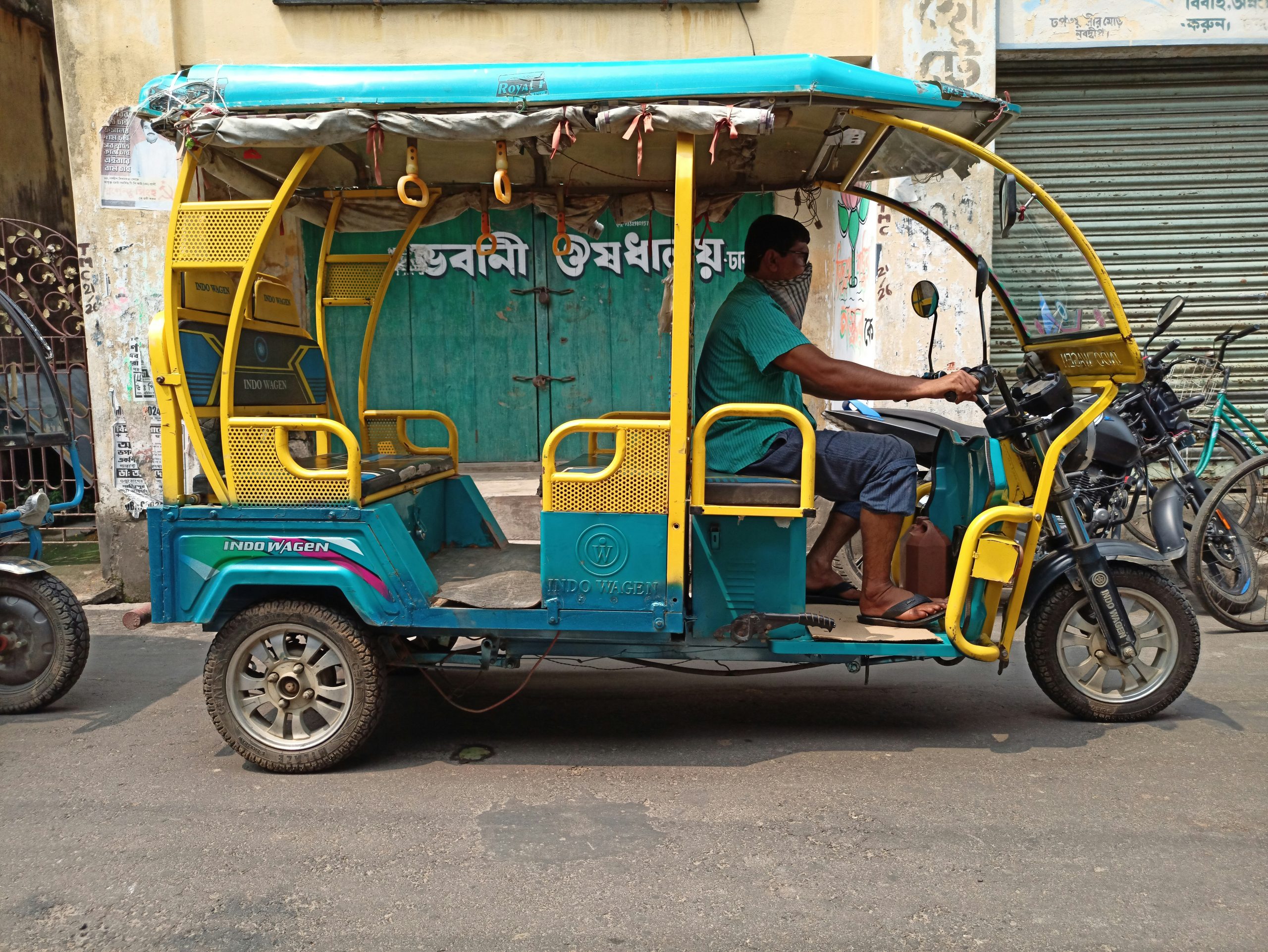
Have you ever wondered why some businesses and riders choose electric three-wheelers instead of the more familiar two-wheel scooters?


What Are The Advantages Of An Electric Three-wheeler Over Other Scooter Types?
You’re about to get a full breakdown of how electric three-wheelers stack up against other scooter types. This section gives an overview so you can see where they excel and where they might not be the best fit.
Electric three-wheelers are vehicles with three wheels powered by electric motors. You’ll find them in passenger and cargo versions, ranging from small enclosed cabs and tuk-tuks to open-bed cargo units used for deliveries. They blend stability with utility, making them an attractive option for many urban and semi-urban needs.
What counts as “other scooter types” in this comparison?
It helps to be clear about what you’re comparing. You’ll see comparisons with:
- Electric two-wheel scooters (urban scooters and mopeds)
- Petrol (gasoline) scooters and motorcycles
- Mobility scooters (personal mobility aids) Each has strengths, but electric three-wheelers offer a distinctive combination of capacity and stability.
What is an electric three-wheeler?
You’ll want to understand the vehicle basics so you can judge suitability. Electric three-wheelers typically have either two wheels at the rear and one at the front (delta) or one rear and two front (tadpole) layouts. They come in passenger rickshaw forms, enclosed mini-cabs, and cargo variants with beds or boxes.
Manufacturers design these vehicles for short-to-medium range urban trips, last-mile deliveries, and passenger shuttle services. They often include modular bodywork so you can tailor a unit for deliveries, mobile sales, or passenger transport.
How do other scooter types differ from electric three-wheelers?
Knowing the key differences helps you decide which vehicle fits your needs. Two-wheel scooters prioritize agility and small footprint, petrol scooters focus on range and refueling convenience, while mobility scooters are dedicated to personal accessibility. Electric three-wheelers generally emphasize payload, stability, and commercial utility.
In many markets, classification, licensing, and road access rules differ between these categories, and that affects how you use and operate them day-to-day.
Stability and balance
You’ll notice immediate differences in how these vehicles handle. A three-wheeler’s triangular support base reduces the risk of tip-over, especially when stopped, turning slowly, or when carrying cargo.
This stability is particularly useful for urban delivery work, for novice riders, and for transporting elderly or less steady passengers. You’ll feel more secure during loading and unloading, and in congested traffic where sudden stops or uneven surfaces are common.
Load capacity and cargo flexibility
If you’re carrying goods, the three-wheeler is designed for it. You’ll typically get higher payload capacity and a flat or enclosed cargo area that’s easy to access. Many cargo three-wheelers are designed for modular conversions—insulated boxes for food, secure lockers for parcels, or flatbeds for bulky items.
Compared with two-wheel scooters, which are limited by balance and rack size, three-wheelers let you carry heavier and bulkier loads without compromising safety or comfort.
Passenger comfort and accessibility
You’ll find passenger versions more comfortable and accessible than many two-wheel scooters. Seating layouts tend to be more spacious and forgiving, with steps or low floors for easier boarding.
If you serve older passengers or need a shuttle between short-distance stops, the three-wheeler is often a better fit. Cabins can provide weather protection and more secure seating than scooters, which is important for passenger comfort and safety.
Safety features and crash protection
Electric three-wheelers can incorporate more vehicle structure than small scooters, giving you room for safety features such as reinforced frames, roll bars, and better seating restraints. The enclosed or semi-enclosed cabins also protect you and your passengers from road debris and direct contact during low-speed incidents.
Because the vehicle is heavier and more stable, crash dynamics are different: impacts are generally less likely to flip a three-wheeler than a two-wheeler, which can reduce certain injury risks in urban collisions.

Weather protection and ergonomics
You’ll benefit from protection against rain, wind, and sun in many three-wheeler designs. Windshields, roofs, and side panels make commuting or carrying customers more pleasant in poor weather, and they reduce exposure for drivers who spend long hours on the road.
Ergonomically, the seating and upright posture can reduce fatigue compared with crouched scooter positions, which helps if you drive many hours each day.
Range, efficiency, and battery management
Electric three-wheelers commonly use larger batteries than two-wheel electric scooters, allowing them to carry heavier loads and run for more hours between charges. Battery packs are often placed to achieve a low center of gravity, improving handling and stability.
You’ll see regenerative braking on many models, which recovers energy during stops and reduces brake wear. Battery-swapping and fleet charging solutions are becoming more common, especially for commercial operations where uptime matters.
Lower operating costs and maintenance
You’ll spend less per kilometer on energy and maintenance with electric three-wheelers compared with petrol scooters. Electric drivetrains have fewer moving parts, which cuts routine maintenance costs and downtime. Regenerative braking and fewer mechanical wear items also reduce servicing intervals.
Compared to petrol alternatives, you’ll avoid fuel price volatility and many emissions-related service items (like oil changes). Over the life of the vehicle, these savings can be substantial—particularly in commercial use where mileage is high.
Cost of ownership and ROI for businesses
When you’re evaluating purchase decisions, the total cost of ownership (TCO) matters more than just the sticker price. You’ll often pay a premium upfront for electric technology, but lower operating costs, government incentives, and higher productivity can shorten the payback period.
For a delivery fleet, for example, you might recover the additional purchase cost within 12–36 months depending on your operating patterns, local energy prices, incentives, and the number of deliveries per shift. You’ll want to run a specific TCO calculation for your area and use case.
Urban suitability and parking benefits
You’ll find electric three-wheelers especially well-suited to dense urban environments. They can navigate narrow streets, fit into compact parking spaces, and often access short routes where larger vehicles can’t. In many cities, they’re allowed in pedestrian-friendly zones where regular cars face restrictions.
Because of their smaller footprint relative to vans, you’ll save time on parking and last-mile drop-offs. That saves labor and improves delivery punctuality.
Regulatory and licensing advantages
Local rules vary, but in many places three-wheelers fall into a different regulatory class than motorcycles or passenger cars. You’ll sometimes encounter simpler licensing requirements, lower taxes, and different compliance checks.
Be mindful to check your local rules: licensing and registration requirements for three-wheelers vary by jurisdiction, and they can affect how quickly you can put a vehicle into service.
Environmental impact and emissions
You’ll reduce local air pollution and greenhouse gas emissions by choosing an electric three-wheeler over an internal-combustion scooter. Zero tailpipe emissions lead to better air quality in dense areas, and quieter operation reduces noise pollution.
If you charge with renewable electricity, your overall carbon footprint declines further. That can also be a visible selling point for businesses that want to market their green credentials.

Customization and commercial applications
You’ll appreciate the modular nature of many three-wheelers. Manufacturers often provide aftermarket options: insulated cargo boxes for food delivery, refrigerated units for perishable goods, passenger cabs for shuttles, or advertising wraps that turn vehicles into mobile billboards.
This flexibility makes three-wheelers especially attractive to small businesses and entrepreneurs who want a tailored, single-vehicle solution.
Stability on poor road conditions
You’ll experience better resilience on potholes, speed breakers, and uneven pavement than with two-wheel scooters. The three-wheel layout spreads load and helps maintain stability even on rough surfaces.
If you operate in areas with less-than-ideal roads, this advantage can translate into fewer delivery delays, less vehicle damage, and higher rider confidence.
Fleet management and telematics
You’ll often integrate three-wheelers into fleet management systems more easily because of standard battery sizes, charging patterns, and payload metrics. Telematics can track range, battery health, route efficiency, and driver behavior to optimize operations.
For operators, this means you can maximize uptime and schedule charging or battery swaps to match delivery windows.
Safety for new riders and elderly passengers
You’ll find the vehicle’s forgiving handling helps new or less confident riders. The added stability reduces the learning curve compared to two-wheel scooters, and passenger versions are better suited to elderly or differently-abled riders who need easier entry and constant support.
This makes three-wheelers a strong option for community transport or ridesharing schemes aimed at a broader demographic.
Resale value and durability
You’ll likely see three-wheelers built for commercial duty, which often means rugged components and simple engineering. These traits can translate to longer working life and potentially stronger resale value in markets with high demand for used commercial vehicles.
Durability matters when vehicles are workhorses, and many manufacturers focus on long-term dependability for commercial buyers.
Regenerative braking and battery longevity
You’ll benefit from regenerative braking systems on many electric three-wheelers, which recover energy during deceleration and reduce the workload on mechanical brakes. This not only conserves energy but can also extend brake component life.
Proper charging practices and battery management systems will maximize battery health and lifetime, lowering replacement costs and preserving vehicle value.
Noise reduction and improved rider comfort
You’ll notice significantly lower noise levels compared to petrol scooters. Quiet operation reduces rider fatigue and makes urban driving less stressful. For passenger services, a quieter cabin improves the overall experience and can make your service feel more premium.
Lower noise is also beneficial if you conduct night-time deliveries or operate in areas with strict noise regulations.

Integration with charging infrastructure and battery swapping
You’ll find that many urban delivery hubs and municipal projects support electric trikes with charging stations or battery-swapping options. Battery swapping can minimize downtime by swapping a depleted battery for a charged one in minutes, which is especially useful for high-intensity operations.
Where public charging infrastructure is limited, a business can establish its own depot chargers tailored to the fleet’s needs.
Lower risk of fines or congestion charges
If you operate in cities that levy congestion or low-emission zone charges, you’ll often avoid those fees with electric three-wheelers. This reduces operating costs for inner-city routes and simplifies route planning.
Electric classification can provide tangible savings when such policies are in place.
Maintenance simplicity and fewer moving parts
You’ll enjoy simplified maintenance with electric drivetrains—no oil changes, fewer filters, and generally less frequent inspections. This reduces workshop downtime and gives you more predictable maintenance schedules.
For business owners, this predictability helps control costs and lowers the need for specialized service facilities.
Drawbacks and trade-offs you should consider
You’ll want to weigh limitations as well. Three-wheelers are typically slower than larger vehicles and less agile than two-wheel scooters in tight, congested traffic. They also may have higher upfront costs than basic two-wheeled electric scooters and can be less maneuverable in groups of closely packed vehicles.
Charging times and battery weight remain trade-offs compared to petrol refueling convenience. Always match the vehicle to your expected routes, payloads, and charging options.
Typical caveats and local variations
You’ll need to check local speed limits, lane access rules, licensing, insurance, and safety regulations. These rules vary widely between countries and even cities, so make licensing and regulatory costs part of your evaluation.
When should you choose an electric three-wheeler?
You’ll want to choose a three-wheeler if:
- You transport medium to heavy payloads frequently.
- You need passenger comfort and weather protection for short to medium trips.
- Stability for novice drivers or elderly passengers is a priority.
- You run a delivery business where minimizing stops and maximizing load per trip is important. If your use-case is solo commuting through very dense traffic, a two-wheel scooter might still be better. Think through your operational objectives before deciding.
Quick comparison table
You’ll find this table useful to compare features at a glance. It summarizes typical strengths and weaknesses; actual models vary.
| Feature / Vehicle Type | Electric Three-wheeler | Electric Two-wheel Scooter | Petrol Scooter / Motorbike |
|---|---|---|---|
| Stability | High — three-point support | Lower — balance required | Moderate — balance required |
| Payload capacity | High — up to several hundred kg (cargo models) | Low — typically 100–150 kg total | Moderate — limited by rack and rider balance |
| Passenger comfort | Good — seating and cabin options | Limited — saddle seating | Variable — often less protection |
| Weather protection | Often available | Minimal | Minimal |
| Operating cost (energy/maintenance) | Low | Low | Higher (fuel & maintenance) |
| Range | Medium — depends on battery size | Medium to high | High — quick refuel |
| Charging / refueling convenience | Charging required / swapping possible | Charging required | Fast refuel, widespread stations |
| Maneuverability in dense traffic | Good but larger footprint | Excellent | Good |
| Licensing / regulation | Varies; often special class | Often motorcycle/moped license | Motorcycle license required |
| Commercial suitability | Excellent (deliveries, shuttle) | Limited | Limited for small businesses |
Example business scenarios where an electric three-wheeler excels
You’ll see concrete use-cases where three-wheelers outshine other scooters:
- Last-mile parcel delivery: You can carry multiple packages per trip, reducing total trips and driver time.
- Food and beverage deliveries: Insulated or refrigerated cargo units keep items safe and at temperature.
- Passenger shuttles: Short-distance rides with easy boarding and weather protection.
- Mobile retail or vending: Expandable modules let you sell on the go with space for inventory and a counter.
In each case, you’ll achieve better efficiency and service reliability compared with two-wheel alternatives.
Practical tips when evaluating models
You’ll want to compare models using these criteria:
- Payload capacity and cargo volume
- Battery capacity, range, and charge time
- Seating and cabin configuration
- Warranty and service network availability
- Compatibility with charging or swapping infrastructure
- Price and financing options Test drives under your expected load conditions will give you the clearest sense of performance.
Charging strategies for continuous operation
You’ll operate most efficiently with a charging plan. Options include:
- Overnight depot charging for single-shift operations
- On-route opportunistic charging for flexible schedules
- Battery swapping for continuous high-utilization fleets Align your charging strategy with route planning and downtime windows to ensure vehicles remain productive.
Financing, subsidies, and incentives
You’ll often find government incentives for electric vehicles, especially for commercial fleets. These can include purchase subsidies, tax breaks, reduced registration fees, and preferential procurement rules. Investigate local programs to reduce your upfront costs and accelerate payback.
Real-world considerations: infrastructure and training
You’ll need infrastructure like chargers and trained staff for maintenance and safe battery handling. Driver training for safe handling under load and emergency procedures will help reduce accidents and extend vehicle life.
Operational considerations—such as shift patterns, loading/unloading ergonomics, and secure parking—will also impact effectiveness and total cost.
Measuring ROI: a simple example
You’ll want to do a basic ROI check. Suppose an electric three-wheeler costs more upfront than a petrol scooter but saves on fuel and maintenance. If your vehicle does high daily mileage and local incentives apply, the fuel and maintenance savings plus revenue from extra load capacity can pay back the premium in a reasonable time frame (often 12–36 months in many cases). Tailor the calculation to your costs, energy prices, and expected work.
How to test whether a three-wheeler fits your needs
You’ll minimize risk by testing scenarios:
- Simulate a typical workday with the expected load and stops.
- Monitor energy use, travel time, and delivery capacity.
- Evaluate driver comfort and ease of loading/unloading. A trial period or pilot fleet will reveal whether the vehicle meets performance and cost expectations.
Technological trends to watch
You’ll want to watch improvements in battery density, fast charging, lightweight materials, and autonomous features. These developments will increase range, reduce weight, and lower costs over time. Integration with logistics software and telematics will further enhance fleet efficiency.
Summary and actionable next steps
You’ll find that electric three-wheelers excel when you need stability, payload flexibility, passenger comfort, and low operating costs. They are especially well-suited to commercial operations like deliveries and short passenger shuttles. Balance these benefits against charging needs, initial cost, and local regulation.
If you’re deciding now, take these next steps:
- Map your typical routes, payloads, and operating hours.
- Run a basic TCO comparison including incentives and downtime costs.
- Arrange test drives under real load conditions.
- Check local regulations for licensing and fleet support.
- Consider a pilot deployment to validate assumptions before scaling.
Choosing the right vehicle is part practical and part strategic. You’ll benefit from aligning vehicle capabilities to your real-world needs—after that, the advantages of an electric three-wheeler often become clear in improved productivity, lower costs, and better customer experience.
