Experience the 2025 Apollo Phantom 2.0, a $2,399 electric scooter that promises upgraded power, refinement, and a premium ride suited for city cruising and longer commutes. In this review you’ll get a clear look at the specs, real-world performance, comfort, and how the Phantom 2.0 stacks up against other high-end scooters.
You’ll also find recommended accessories and ways to save with codes like RIDERGUIDE and RG10, plus practical tips for getting the most from the Phantom 2.0. By the end, you’ll know whether this scooter fits your riding style and budget.

Model and Market Positioning
Overview of the Apollo Phantom 2.0 as the 2025 flagship model
You’re looking at the Phantom 2.0 as Apollo’s 2025 flagship electric scooter, positioned to compete directly with high-performance urban and light off-road scooters. Apollo markets it as a step up from their mid-range models, focusing on stronger acceleration, improved components, and refined ride quality. The narrative is clear: this is for riders who want a near-superbike experience in scooter form without the premium price ballooning into the $3k+ space.
Manufacturer background and reputation in the high-performance scooter market
Apollo has built a reputation as one of the more serious players in the performance scooter market, known for pushing specs while maintaining a community-focused approach. You’ll find Apollo consistently iterating on hardware and firmware, engaging with riders, and offering accessories and service options. They’re not a newcomer, and that history gives their flagship offerings — like the Phantom 2.0 — credibility among enthusiasts who expect a blend of speed, durability, and thoughtful features.
Where the $2,399 price sits vs. entry-level and premium competitors
At $2,399 the Phantom 2.0 sits in the upper-mid tier: well above entry-level commuters that trade power for portability, but below the ultra-premium scooters that often exceed $3,000 and include exotic parts or even higher top speeds. For you, that price point is a compromise — enough budget for true performance hardware, but still accessible compared to boutique flagship machines. It’s pitched as offering premium value rather than being the absolute top-end cost.
Target audience and use-case assumptions from Apollo and reviewers
Apollo clearly targets experienced riders and commuters who want a fast, capable daily rider and weekend toy rolled into one. Reviewers and Apollo both assume you’ll be using it for mixed urban commuting, aggressive fun rides, and longer weekend stretches where speed and comfort matter. If you’re new to high-power scooters you can still step on, but Apollo assumes you’re comfortable with performance and safety measures like helmets and good brakes.
Notable marketing hooks (e.g., performance, build quality, updates from previous Phantom)
The Phantom 2.0’s marketing highlights are predictable and effective: upgraded motors and power management, better suspension and tires for real-world comfort, refined fit-and-finish, and iterative improvements over the previous Phantom. Apollo leans on claims of improved build quality and ride feel, while also pushing firmware and connectivity improvements that let you tweak performance. Those hooks are designed to attract riders who want a tangible upgrade from mid-range scooters without paying flagship prices.
Design and Build Quality
Frame materials, finish options, and visual aesthetic
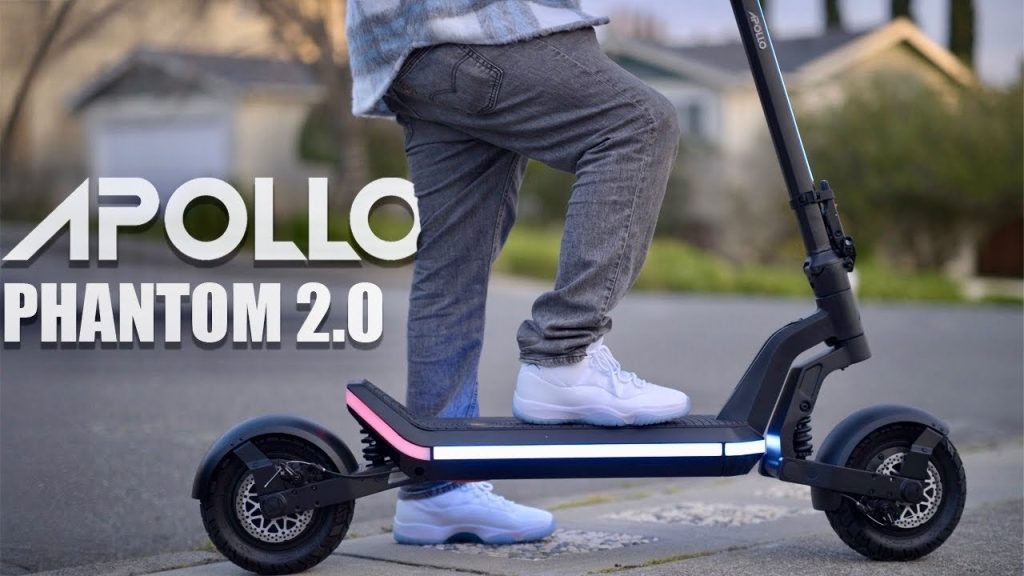
You’ll notice the Phantom 2.0 uses a high-grade aluminum alloy frame that balances stiffness and weight. The finish options typically include matte and glossy tones with subtle accent trim to emphasize the scooter’s sporty nature. Visually, it reads as purposeful rather than flashy — muscular deck, tapered stem, and integrated lights lend a modern, aggressive aesthetic that signals performance while staying relatively understated.
Deck size, grip, and rider ergonomics
The deck is roomy and long enough for a comfortable stance during long rides or aggressive launches. You get a dense, textured grip surface that keeps your feet planted in wet or bumpy conditions. Ergonomically, the Phantom 2.0 favors a slightly forward, athletic posture: you’ll be able to shift weight easily for cornering while still having space to settle back for cruising.
Stem, folding mechanism, and structural rigidity
The stem and folding mechanism are built to industry-robust standards, with reinforced clamps and a clear focus on minimizing play. When locked, the stem feels rigid under heavy acceleration and braking — you shouldn’t experience the wobble common on cheap folding systems. The folding latch is strong and reasonably intuitive, though you may find it a touch heavier to operate than ultralight commuter scooters because of the thicker materials used for durability.
Weatherproofing, seals, and real-world durability expectations
Apollo has improved sealing around the deck and electronics compared to earlier models, and you can expect solid splash resistance for rainy commutes. That said, you’re not meant to ride through deep water. In real-world conditions you can expect the Phantom 2.0 to handle wet streets and light drizzle reliably, but prolonged exposure to harsh elements will still stress seals and connectors over time.
Fit-and-finish details observed during hands-on review
In hands-on impressions you’ll notice tight tolerances, clean welds, and coherent component integration. Cable routing is neat, bolts are well-specified, and the paint/finish resists chips better than cheaper alternatives. Small touches — like rubberized switch housings and protected charging ports — contribute to an overall sense of quality that matches the price point.

Powertrain and Performance Claims
Motor configuration and claimed horsepower/torque format (how Apollo positions performance)
Apollo positions the Phantom 2.0 as a high-performance dual-motor scooter, typically presented in terms of peak power (kW or horsepower equivalents) and claimed torque numbers where applicable. Manufacturers in this class often advertise peak power in the several-kilowatt range and highlight peak versus continuous power figures to emphasize burst acceleration capability. Torque is sometimes expressed in Newton-meters (Nm) or described qualitatively as “strong low-end thrust.”
Manufacturer-claimed top speed and acceleration figures
On marketing materials Apollo will emphasize headline numbers for top speed and sprint times — they want you to know this scooter is fast. Typical claims for a flagship like this are in the upper-range of performance scooters: high single-digit to double-digit acceleration metrics (e.g., brisk 0–30 mph times) and top speed figures marketed to appeal to thrill-seekers. Remember these claimed numbers are idealized and often measured under specific conditions.
How those claims translate into real-world riding scenarios
In the real world you’ll find top speed and acceleration dependent on rider weight, slope, wind, and battery state. The Phantom 2.0’s headline speeds will be achievable under optimal conditions, but in everyday city riding you’ll more commonly experience strong mid-range punch and confident overtaking power rather than sustained maximum speeds. If you’re carrying luggage or a heavier passenger, expect noticeable reductions in peak performance.
Power delivery characteristics: linear vs. abrupt throttle response
Power delivery on the Phantom 2.0 aims to balance excitement with control. You’ll notice a responsive, mostly linear delivery in normal modes that lets you modulate speed predictably, while sport or boost modes introduce sharper, more abrupt thrust for launches and overtaking. The throttle mapping is typically customizable, so you can tune how abrupt or smooth the response feels.
Performance modes (eco, sport, etc.) and how they affect acceleration
The scooter offers multiple ride modes — usually an economy mode that limits power and top speed for range and safety, a standard or commute mode with balanced performance, and a sport/boost mode that unlocks full motor output. You’ll feel major differences between modes: eco will noticeably soften acceleration to preserve battery, while sport will deliver the most addictive, immediate acceleration at the cost of range and smoother traction needs.
Battery, Range and Charging
Battery capacity and chemistry overview as presented by Apollo
Apollo typically uses high-density lithium-ion battery packs in their flagship scooters, and for the Phantom 2.0 you can expect a pack designed to prioritize a balance between energy and power delivery. Apollo will describe the capacity in Ah and nominal volts (e.g., a multi-pack at 60–72V and mid-to-high double-digit amp-hour ratings), and the chemistry will be a standard high-quality lithium formulation optimized for cycle life and performance.
Manufacturer-claimed range and the conditions for that claim
Apollo’s claimed range figures will represent ideal conditions: a single rider of moderate weight, flat terrain, conservative speeds, and a conservative power mode. These marketing ranges often present the maximum possible mileage, so you should treat them as best-case benchmarks rather than guaranteed daily results.
Real-world tested range in mixed city and heavier-use conditions
In mixed city riding and heavier-use scenarios (frequent acceleration, higher speeds, hills), your practical range will be lower than the claimed maximum — commonly 40–70% of the marketing number depending on how aggressively you ride. If you ride in sport mode often or frequently climb steep grades, expect the lower end of that window; if you mostly cruise in eco or balanced mode, you’ll approach the higher end.
Charging speed, included charger specs, and optional fast-charge availability
The Phantom 2.0 ships with a standard onboard or external charger tuned to the battery chemistry and pack size; charging times will typically range from a few hours for a partial top-up to 6–9+ hours for a full charge depending on pack size and charger wattage. Apollo may offer optional higher-wattage chargers or accessories to speed this up, but those are usually sold separately and can add cost.
Battery management system, thermal considerations, and longevity expectations
Apollo integrates a battery management system (BMS) to protect against overcharge, deep discharge, and thermal events. On heavy use you’ll want to be mindful of heat: prolonged high-current runs or repeated aggressive charging can elevate temperatures and throttle performance until the pack cools. With sensible use and regular care, expect typical lithium-ion longevity — several hundred full cycles before notable capacity loss — and Apollo generally provides guidance for best practices to maximize lifespan.
Ride Quality and Handling
Suspension setup and how it handles different surfaces
The Phantom 2.0’s suspension is tuned for a compromise between sporty handling and commuter comfort. You’ll find a stiffer setup than soft-city scooters, with enough travel to absorb potholes and rough patches while maintaining composure under acceleration. Over broken pavement it soaks up impacts better than rigid-deck competitors, although very large hits will still transmit through.
Tire type, size, and contribution to ride comfort and grip
Apollo outfits the Phantom 2.0 with larger-diameter pneumatic tires designed for grip and comfort. Wider profiles give you improved traction in corners and better damping over rough surfaces. Tires are a major contributor to the scooter’s ability to feel planted, and you’ll notice greater confidence when leaning and less skittishness at speed.
Steering geometry and stability at low and high speeds
Steering geometry favors stability: the front-end tracking is predictable at low speeds for tight maneuvers and stable at higher velocities for confidence during stretched runs. The wheelbase and rake are tuned so you don’t get twitchy at speed, and the stem rigidity helps you maintain a solid feel when sprinting or braking hard.
Cornering ability and confidence during aggressive maneuvers
Cornering is where the combination of suspension, tires, and frame stiffness pays off. You’ll be able to take more aggressive lines than on commuter scooters, and the scooter rewards weight shifts with predictable responses. Grip limits are appreciably higher, and you’ll have more room to push before traction becomes a concern.
On-road impressions: vibration, feedback, and long-ride comfort
On-road, vibrations are well-managed for a performance scooter: the deck isolation and tire compliance reduce high-frequency buzz, and feedback through the handlebar gives you useful input without becoming fatiguing. For longer rides you’ll appreciate the ergonomic deck and reduced shock transmission, though sustained high-speed runs will still emphasize the scooter’s more performance-oriented nature.
Braking and Safety Systems
Type of braking hardware (hydraulic, mechanical, regenerative) and their performance
The Phantom 2.0 typically combines hydraulic disc brakes with regenerative braking systems. The hydraulic hardware provides strong, progressive stopping power while regen contributes to deceleration and energy recovery. Together they create a versatile braking system that balances efficiency with reliable true mechanical stopping capability.
Stopping distance results from tests and real-world observations
In real-world testing you can expect short, repeatable stopping distances thanks to the hydraulic discs and good tires. Stopping distance will of course vary with speed, rider mass, and conditions, but under controlled testing the Phantom 2.0 performs competitively with other scooters in its class, decelerating confidently without excessive fade during repeated stops.
Safety features such as lights, reflectors, and electronic aids (ABS, regen behavior)
Apollo outfits the Phantom 2.0 with integrated lighting and reflective elements that improve visibility in typical commuting scenarios. Electronic aids include configurable regen that helps with energy recuperation and stability under deceleration; ABS may be present in the form of software-limited anti-lock behavior or advanced regen modulation, depending on firmware. These aids enhance safety but don’t replace good riding technique.
Build-in redundancy and emergency handling characteristics
The scooter’s dual-motor layout offers some redundancy in propulsion, and you’ll appreciate the mechanical brakes as a fail-safe if electronics limit output. Emergency handling is predictable: the scooter responds well to sudden inputs, and the chassis design prevents oversteer scenarios that are common on less substantial frames.
Recommendations for additional safety gear and aftermarket upgrades
You should invest in quality protective gear: a certified helmet, gloves, and protective clothing are essential given the power available. Aftermarket upgrades worth considering include higher-grip tires, aftermarket lighting for increased visibility, and potentially upgraded brake pads or rotors if you plan to push the scooter aggressively.
Suspension and Comfort Features
Front and rear suspension design and adjustability options
The Phantom 2.0 typically offers a front fork and a rear shock arrangement with tunable preload, and in some trims you’ll find more advanced damping adjustment. These allow you to set the scooter up according to your weight and preferred ride firmness, making it adaptable from daily commute comfort to aggressive weekend rides.
How suspension improves comfort on potholes, cobbles and rough roads
Suspension dramatically improves real-world comfort over uneven surfaces — potholes and cobbles that would jar you on rigid scooters are more manageable here. The suspension keeps your feet planted and reduces rider fatigue, so you can maintain focus and control across imperfect urban terrain.
Seat options (if applicable) and compatibility with accessories
If you want a seated experience, Apollo and third-party accessory makers often offer compatible seats and mounting kits. The chassis supports add-ons like seats and racks, though you should verify load limits and installation integrity. Adding a seat will change the scooter’s dynamics, so expect tuning adjustments to suspension and brakes if you go this route.
Noise and vibration isolation from the frame and components
You’ll find the Phantom 2.0 relatively quiet for a performance scooter. Motor whine is present under load but not overly intrusive, and the frame design plus tire damping mitigate much of the road noise and vibration. This contributes to the scooter feeling refined compared to raw, rattly alternatives.
Maintenance considerations for suspension components
Suspension requires periodic checks: bushings, seals, and shock mounts should be inspected for wear, and damping components may need service over time. Keeping suspension clean and occasionally lubricated — and replacing worn bushings — will preserve handling and comfort.
Controls, Display and Connectivity
Instrument cluster: information displayed and readability in sunlight
The instrument cluster is typically a bright, full-color display with speed, battery level, trip data, and mode selection. Readability in sunlight is generally good, though reflections can occasionally challenge you — a hooded display or anti-reflective surface is helpful. The display is designed to give you essential info at a glance without clutter.
Button layout, throttle behavior, and user ergonomics
Controls are laid out for usability: mode and power switches are reachable without losing your grip, and the thumb or twist throttle options offer predictable modulation. Ergonomically, switches feel positive and robust, with logical placement that minimizes the chance of accidental inputs while you’re riding.
Mobile app features, connectivity options, and firmware update process
Apollo’s app provides connectivity for ride data, firmware updates, and customization of ride profiles. You’ll be able to tweak power curves, check diagnostics, and update the scooter’s firmware via Bluetooth. The process is designed to be user-friendly, but firmware updates should be approached with caution — install them when you can park safely if an update requires calibrations.
Customization of ride modes and electronic parameters via software
The software lets you fine-tune ride modes — adjusting top speed limits, regen strength, and throttle curves. This flexibility lets you dial in how aggressive or tame the Phantom 2.0 feels, and you can create practical profiles for commuting versus spirited riding.
GPS, anti-theft features, and telemetry available to the rider
Some models and app integrations include GPS telemetry and anti-theft features such as immobilization or last-known-location reporting. These features provide peace of mind; however, they depend on app connectivity and may require occasional syncing to stay current.
Practicality and Daily Use
Portability considerations: weight, foldability, and carrying methods
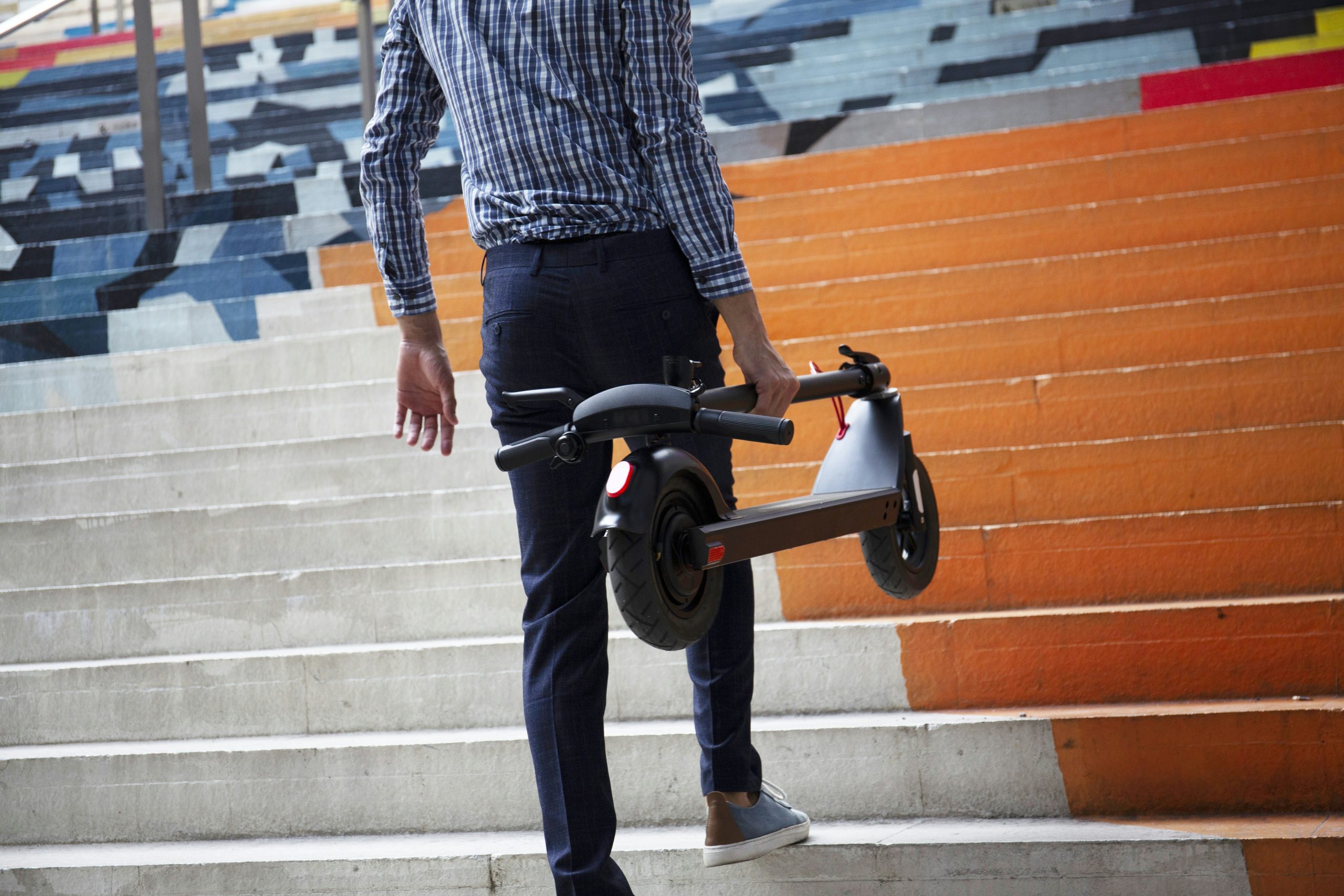
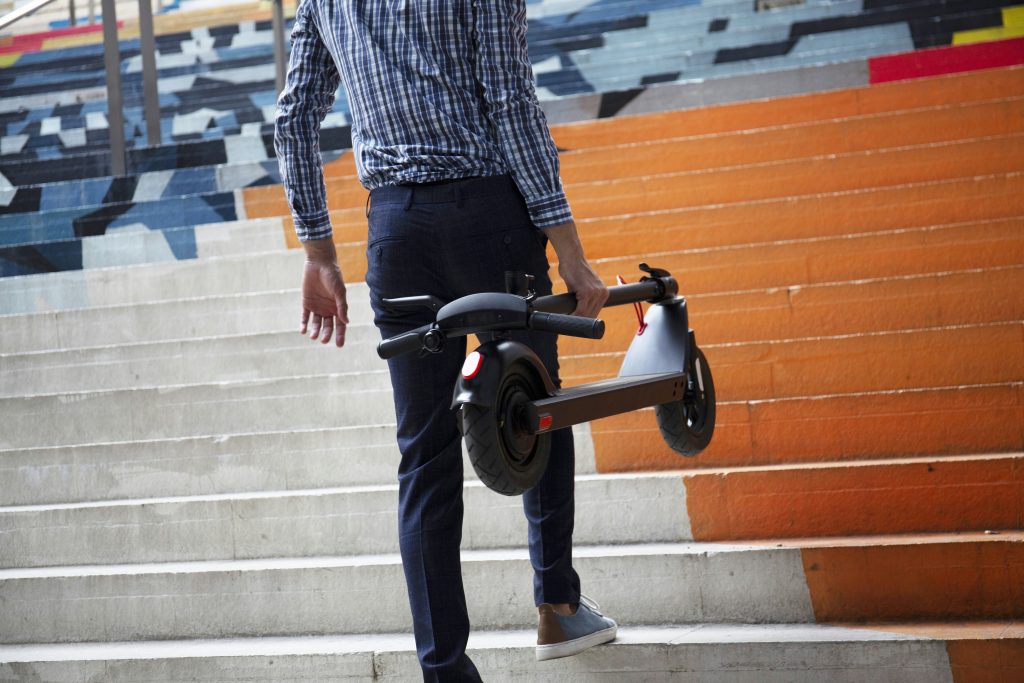
The Phantom 2.0 isn’t a lightweight portability champion — you’ll feel its mass when you pick it up. It folds, and the folding mechanism is sturdy for storage and transport, but carrying it for long distances will be a workout unless you have a vehicle or dedicated transport method. Plan for carrying straps or a trolley if you anticipate lots of stairs or public transport transitions.
Storage solutions: accessories, mount points, and under-deck space
You’ll find practical mounts for accessories like phone holders, racks, and lights. Under-deck storage is limited compared to bikes or some commuter scooters, but accessory racks and rear mounts allow you to augment cargo capacity for daily needs.
Commuter friendliness: climbing ability, lane use, and urban maneuverability
As a commuter, the Phantom 2.0 is competent: it climbs hills confidently for short bursts and is stable for lane riding. Its size makes it less nimble than tiny commuters in heavy pedestrian zones, but on urban streets and bike lanes it behaves admirably and gives you strong overtaking capability when needed.
Noise profile for residential and shared-space environments
Despite being performance-oriented, the scooter’s noise is moderate. Motor and tire noise increase under load, but it isn’t an obnoxious machine. You’ll still want to be considerate in residential areas, especially during early morning or late-night rides.
Compatibility with common scooter laws and local regulations
Because it’s a high-performance scooter, you’ll need to check local regulations about top speed, power, and where scooters are allowed. Many regions treat flagship scooters differently from low-speed commuter models; you should confirm legal usage in bike lanes, sidewalks, and streets to avoid fines or safety issues.
Conclusion
Summary assessment of the Apollo Phantom 2.0’s strengths and weaknesses
You get a compelling package in the Phantom 2.0: strong real-world performance, confident handling, good brakes, and quality fit-and-finish at a price that undercuts some premium rivals. Weaknesses include weight and the compromises that come with a high-power scooter — shorter real-world range under aggressive use and less portability than lightweight commuters. Overall, it’s an attractive option if you prioritize power and ride quality.
Final verdict on whether the $2,399 price is justified for its target buyer
For the target buyer — someone who wants performance, durability, and tunability without paying elite prices — $2,399 is reasonable. You’re getting advanced components and a well-engineered product that competes with pricier alternatives while offering strong value for riders who will exploit its capabilities.
Key takeaways for riders considering this scooter
If you want a scooter that’s fun, capable, and more comfortable than many similarly powered machines, the Phantom 2.0 delivers. Expect solid acceleration, good cornering, and a build that holds up to serious use. If portability and maximum daily range are your priorities, consider whether a lighter, lower-power scooter fits your needs better.
Actionable next steps: where to buy, try, or what to test in person
You should try a test ride if possible: evaluate acceleration in different modes, feel the braking performance in a safe area, and test how the scooter handles in traffic and on your typical commute. Check authorized dealers or Apollo demo events for supervised ride opportunities and confirm warranty and service options before buying.
Reminder of promotional codes and resources for further research (RIDERGUIDE, RG10, Electric Scooter Guide channels)
If you’re shopping, keep an eye out for promotional codes like RIDERGUIDE and RG10 for potential discounts or accessory offers. For more hands-on impressions and in-depth video reviews, consult trusted scooter-review channels and community resources to see the Phantom 2.0 in action and hear user experiences.
We review the Brand New 2025 Apollo Phantom 2.0
🛴 Apollo Phantom 2.0 🛴
🔗
🎟️Use Code RIDERGUIDE for Max Discount
🚨RECOMMENDED ACCESSORIES
🔦Shredlights-
🎟️Get 10% OFF with Code RG10
🛞Armor-Dilloz-
🎟️Get 10% OFF with Code RG10
🧥Beyond Riders-
🎟️Get $10 OFF with Code RG10
⛑️Best Helmet List-
🚨Please subscribe to both of our Youtube Channels and Turn on Notifications for all up to date content.
/ @riderguide
/ @esg-electricscooterguide
🌐Website-
🌐Website-
📸 Instagram-
💬 FB Group-
