
?Are you thinking about replacing a standing e-scooter with a sitting-down model to make your rides more comfortable?
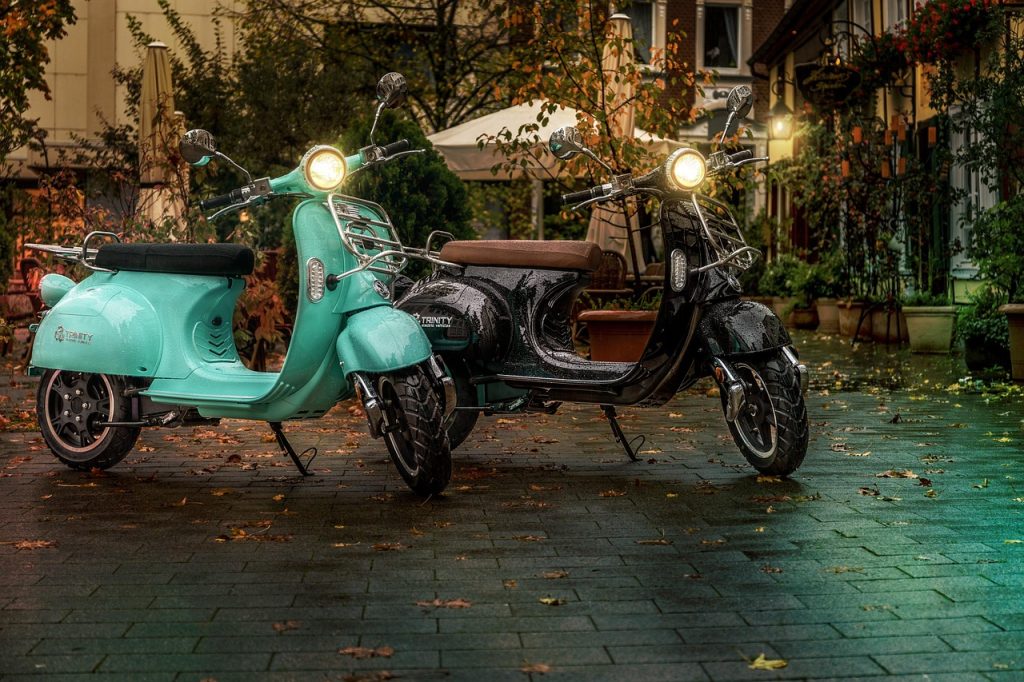

Can I Find A Sitting-down Electric Scooter For A More Comfortable Ride?
You can absolutely find sitting-down electric scooters designed specifically for comfort and longer rides. These models range from light commuter scooters with a simple seat to heavier, more powerful seated electric mopeds that resemble small motorcycles.
Why consider a sitting-down electric scooter?
You’ll find that sitting-down scooters reduce fatigue on longer trips because your weight is supported and your posture is more relaxed. They also often come with larger batteries and more comfortable suspension, which improves ride quality over bumps and uneven pavement.
What exactly is a sitting-down electric scooter?
A sitting-down electric scooter typically includes a seat or a place to sit and is designed for you to ride while seated rather than standing. These scooters vary widely in power, size, range, and legal classification—from light seated commuter scooters to high-powered electric mopeds.
How they differ from standing e-scooters
Sitting-down scooters usually have a larger deck, full-sized frames, a seat attached to a stem or integrated into the frame, and sometimes a rear suspension system for better comfort. They frequently carry larger batteries and motors which translate to more range and higher top speeds, but they may be heavier and less portable than standing models.
Types of seated electric scooters
You’ll see multiple styles labeled as seated scooters, including light commuter seat attachments, compact foldable versions with seats, and full-size scooter/moped hybrids. Understanding these types helps you decide which balance of portability, comfort, and performance matches your needs.
Lightweight seated scooters
These are essentially regular electric scooters with an added seat or an integrated small saddle and are generally easier to fold and carry. They’re best if you still need occasional portability for multi-modal commutes while preferring to sit when possible.
Foldable seated scooters
Some models keep foldability while including a seat, giving you the option to carry the scooter or store it more easily. You should expect slightly more weight than a typical standing foldable e-scooter, but still a good compromise for shorter commutes.
Full-size seated scooters and electric mopeds
These feel more like small motorcycles or mopeds and offer higher speeds, bigger batteries, and better suspension. They’re intended more for comfort and longer distances, and they often require registration, a license, or insurance depending on local laws.

Benefits of choosing a sitting-down electric scooter
A seated scooter enhances ride comfort, reduces strain on your legs and lower back, and often supports longer, less tiring commutes. You’ll also find models with more storage and better weather protection compared with stand-up scooters.
Comfort and ergonomics
Being seated allows you to maintain a more neutral spine position and reduces the pressure on your feet that comes with standing for long rides. Many seated models include padded seats, sprung suspension, and ergonomic handlebars that reduce arm and shoulder strain.
Greater range and higher power options
Seated models often include larger batteries and motors, which means you can go farther without recharging and handle hills with more ease. This makes them ideal if you need to cover longer distances or frequently navigate steep terrain.
Stability and control
Sitting lowers your center of gravity, which can improve stability at higher speeds and make handling easier for many riders. Combined with two wheels and improved suspension, that stability helps you ride more confidently on rough or uneven surfaces.
Drawbacks and trade-offs to consider
While comfortable, seated scooters can be heavier, less portable, and sometimes more expensive than standing models. You’ll also need to consider legalities as many higher-powered seated scooters fall into categories that require registration or licenses.
Portability and storage
Heavier batteries and frames reduce portability, so you should expect more effort when lifting or storing a full-size seated scooter. If you need to carry your scooter up stairs or onto public transit, a lighter foldable seated model might be a better compromise.
Cost and maintenance
More advanced components like suspension systems, larger batteries, and higher-power motors usually mean higher prices and potentially higher maintenance costs. You should budget for periodic battery replacements, tire changes, and potentially more complex repairs.
Legal and regulatory considerations
Heavier and faster seated scooters may be classified as mopeds or motorcycles in your jurisdiction, which could require insurance, registration, and a driver’s license. You should check local laws before buying to make sure the scooter you want is legal to ride where you live.
How to choose the right seated electric scooter for your needs
Start by evaluating your commute distance, typical terrain, required top speed, storage options, and whether you need portability for multi-modal trips. Prioritize features that match your daily use—battery range if you ride far, suspension if roads are rough, or foldability if you carry the scooter frequently.
Determine your range needs
Think about the round-trip distance you’ll cover without charging and add a safety margin to avoid low-battery issues. You should consider battery capacity, real-world range (which varies with rider weight, speed, and terrain), and whether a removable battery might suit your charging routine.
Assess power and speed requirements
If you’ll ride on busy roads or hilly routes, choose a scooter with more motor power and torque. For purely urban flat commutes, a modest motor may be enough, but you should verify local speed limits and legal classifications to avoid surprise regulations.
Consider weight, portability, and storage
Decide whether you’ll need to carry the scooter up stairs or take it on public transit occasionally. If portability matters, opt for lighter or foldable seated models; if it doesn’t, you can prioritize comfort features and larger batteries.
Review seat and suspension design
Check seat comfort, adjustability, and whether the seat height fits your posture for safe and comfortable handling. Look for front and rear suspension, larger wheels, and good tires if you expect rough surfaces.
Battery type and charging options
Lithium-ion batteries are standard and offer the best energy density; check for removable battery packs if you need to charge at your desk or have a spare. Also consider charge time—fast charging is convenient but may reduce battery lifespan over many cycles.

Key technical specs explained
Understanding the important technical details helps you compare models more effectively and avoid disappointment. You’ll want to know how battery capacity, motor power, torque, top speed, and weight affect real-world use.
Battery capacity and range
Battery capacity is commonly given in watt-hours (Wh) and directly correlates with potential range, assuming similar riding conditions. Real-world range will be lower than manufacturer claims depending on speed, rider weight, incline, and weather.
Motor power and torque
Motor power is usually measured in watts (W) and indicates how much continuous power the scooter can deliver. Torque matters for hill-climbing and acceleration, so higher torque helps if you carry heavier loads or face steep grades.
Top speed and acceleration
Top speed determines how quickly you can travel, but local laws may cap the legal maximum for electric scooters in public spaces. Acceleration is important for merging with traffic safely and overtaking, especially in urban settings.
Weight capacity and build quality
Every scooter has a rated maximum load; you should choose one that comfortably exceeds your weight plus cargo. Frame materials, weld quality, and component grade affect durability and long-term reliability.
Comparison table: popular seated electric scooter models
This table gives a quick look at representative seated scooter types across a range of budgets and use cases. You should use this as a starting point and check current specs and prices before buying, because models change often.
| Model (example) | Type | Motor Power | Range (typical) | Top Speed | Foldable? | Approx Price |
|---|---|---|---|---|---|---|
| Model A Commuter Seat | Lightweight seated | 350 W | 15–25 miles | 15–18 mph | Yes | $800–$1,200 |
| Model B Foldable Seat | Foldable mid-range | 500 W | 20–35 miles | 20–25 mph | Yes | $1,200–$1,700 |
| Model C Urban Moped | Full-size moped | 1500 W | 40–60 miles | 30–45 mph | No | $2,000–$4,000 |
| Model D Long-range Cruiser | High-capacity | 3000 W | 60–100 miles | 50–60 mph | No | $4,000–$8,000 |
| Model E Budget Seat Kit | Seat attachment | N/A (adds seat) | Depends on base scooter | Depends on base scooter | Depends | $50–$300 |
Legal and safety regulations you need to know
Legal rules for seated scooters vary widely and can be confusing; you should check your local traffic authority for exact requirements. Some regions treat seated scooters like bicycles, others like mopeds or motorcycles, which affects helmet laws, licensing, and road access.
Licensing, registration, and insurance
If your scooter exceeds certain speed or power thresholds, you may need a driver’s license, vehicle registration, and insurance similar to mopeds. Lower-powered models may avoid these requirements, but you should still ensure your scooter meets legal limits for shared bike lanes or sidewalks if you plan to use them.
Helmet and protective gear
Regardless of legal requirements, wearing a helmet is a key safety measure that you should follow every ride. Consider additional gear such as gloves, eye protection, and reflective clothing for low-light commuting.
Road and lane rules
Local laws may limit where you can ride—bike lanes, streets, or paths—and may ban scooters on sidewalks. You should familiarize yourself with rules around lighting, signaling, and speed limits to avoid fines or unsafe situations.

Safety tips for riding a seated electric scooter
You should adopt safe riding habits such as checking brakes before every ride, riding at safe speeds for conditions, and being visible to other road users. Defensive riding is essential in urban traffic where drivers may not expect or notice scooters.
Pre-ride checklist
Always check tire pressure, brakes, battery level, lights, and seat security before starting a trip. These quick checks reduce the chance of mechanical failure and keep you riding safely.
Riding techniques and posture
Sit upright with a relaxed grip on the handlebars, keep your feet stable and centered, and avoid sudden steering movements. Slow down on wet surfaces and give yourself extra braking distance to account for reduced traction.
Night and low-visibility riding
Install and use bright front and rear lights and add reflective elements to your clothing and scooter. You should reduce speed in low visibility and stay out of drivers’ blind spots whenever possible.
Comfort features to look for
Comfort-focused features include padded and adjustable seats, good suspension, large pneumatic tires, and ergonomic handlebars. These elements reduce fatigue and increase enjoyment on longer rides.
Seat designs and ergonomics
Some seats come with springs and memory foam, and others are adjustable in height and angle. You should test different seat heights to ensure your feet can reach the ground comfortably when stopping, and that the cockpit lets you reach controls without straining.
Suspension and tires
Quality front and rear suspension soaks up bumps, while larger diameter pneumatic tires roll over rough patches more smoothly. If your route includes cobblestones, broken pavement, or curbs, prioritize a scooter with robust suspension and thick tires.
Handlebar and control placement
Comfortable handlebars with ergonomic grips and intuitive control placement improves comfort over long rides. You should look for throttle and brake ergonomics that let you ride without gripping too tightly, which can cause hand fatigue.
Accessories to improve comfort and practicality
You can add storage bags, smartphone mounts, mirrors, upgraded seats, and windshields to tailor your scooter to your needs. Accessories often save time and enhance safety, and many are easy to install.
Storage solutions
Top boxes, panniers, and under-seat storage provide places to keep a bag, groceries, or a helmet. If you commute, consider waterproof options and lockable storage for security.
Protection and weather gear
A windshield or leg cover helps block wind and rain, making cold-weather riding more bearable. You should also consider a scooter cover or garage storage to protect your scooter from the elements when not in use.
Theft prevention
Use robust locks and, if available, GPS trackers that can alert you if your scooter moves without your consent. You should register the scooter’s serial number and keep purchase documentation to assist recovery if theft occurs.
Buying tips: new vs used, warranty, and testing
Buying new gives you warranties and less risk of hidden damage, while used scooters can be more affordable if you carefully inspect them. Whichever route you take, you should prioritize a test ride and a thorough check of battery health and structural integrity.
What to inspect on a used scooter
Check battery capacity and cycle count if available, inspect frame welds for cracks, test brakes and suspension, and ride the scooter to verify handling and motor performance. You should ask about crash history and request maintenance records if possible.
Warranty and after-sales support
Good warranties cover batteries, motors, and frames for at least a year; extended warranty options can be worth considering for expensive models. You should also verify local repair options or official service centers to avoid long downtimes.
Test rides and dealer relations
A test ride helps you confirm comfort, balance, throttle response, and how it handles typical routes. You should build a relationship with a reputable dealer who offers guidance, service, and parts availability.
Maintenance basics to keep your seated scooter comfortable and reliable
Regular maintenance prolongs battery life, keeps brakes effective, and prevents problems that can reduce comfort and safety. You should establish a simple maintenance routine that fits how often you ride.
Battery care and charging habits
Avoid letting the battery run fully to zero frequently, and try to store batteries in moderate temperatures for longevity. You should follow manufacturer charging recommendations and consider periodic capacity checks if your scooter supports them.
Brake checks and tire maintenance
Brake pads wear down and tires lose pressure; both should be checked regularly for consistent performance. You should maintain recommended tire pressure for the best balance of comfort and rolling efficiency.
Suspension and fastener inspections
Inspect suspension components for leaks and wear, and regularly check bolts and fasteners to ensure nothing is loose. You should torque critical bolts to manufacturer specs, especially after any impacts or rough rides.
Cost breakdown and budgeting for your seated electric scooter
Costs include the initial purchase price, accessories, maintenance, charging, insurance (if required), and potential registration fees. You should budget not only for the scooter but also for ongoing costs to get a realistic picture of ownership expenses.
Typical price ranges
Entry-level lightweight seated scooters start under $1,000, mid-range foldable models often sit between $1,000–$2,500, and full-size urban mopeds can range from $2,000 to $8,000 or more. You should compare long-term value including battery lifespan and service costs alongside the sticker price.
Ongoing operating costs
Charging costs are relatively low compared to fuel, but battery replacement can be a significant cost after years of regular use. Maintenance items like tires, brake pads, and brake fluid (for some models) should be included in your annual budget estimate.
Alternatives to seated electric scooters
If a seated scooter doesn’t fully meet your needs, you can consider e-bikes, electric bicycles with throttle, electric mopeds, or even compact electric motorcycles. Each alternative has trade-offs in terms of comfort, licensing requirements, range, and overall feel.
E-bikes and pedal-assist bikes
E-bikes offer the option to pedal for exercise and often classify differently under law, sometimes avoiding moped requirements. You should consider an e-bike if you want flexible exercise options and generally expect longer or hillier rides.
Electric mopeds and motorcycles
If you need higher speeds and more range, true electric mopeds or small electric motorcycles might be better, though they often require a license and registration. You should weigh the legal and cost implications before choosing these higher-performance alternatives.
Seat kits for standing scooters
If you already own a standing scooter, seat kits are available to add a saddle, giving you a seated option without buying a whole new vehicle. You should verify compatibility and safety of any kit with your scooter model before installing.
Where to buy a sitting-down electric scooter
You can buy from manufacturer websites, specialty scooter or e-bike shops, large retailers, and reputable online marketplaces. Wherever you buy, you should check return policies, warranty coverage, and service options.
Local dealers and test rides
Buying locally lets you test ride and often access local service and warranties more easily. You should pick a dealer with good reviews and a clear service policy.
Online marketplaces and direct-to-consumer brands
Online direct sales can offer competitive prices, but you should confirm shipping, warranty fulfillment, and return procedures. You should also verify assembly requirements and whether local service centers exist for your chosen brand.
Frequently asked questions (FAQ)
You’ll probably have specific questions about licensing, battery life, or whether a seated option will make a real difference—answers vary by your local laws and personal needs. Below are common concerns and clear guidance to help you decide.
Will a seat make my commute noticeably more comfortable?
For most people, a proper seat combined with suspension and larger tires significantly reduces fatigue on commutes longer than a few miles. You should test this yourself where possible because comfort is subjective and depends on body proportions and riding posture.
Do seated scooters require special training?
Most seated scooters are intuitive to ride if you have experience on bicycles or standing e-scooters, but higher-speed or heavier models may require more skill. You should practice in a safe area first and consider a short training session if you’re new to motorized two-wheelers.
How long do batteries typically last?
Battery lifespan varies with chemistry, charging habits, and usage patterns; many lithium-ion packs last 3–6 years in regular commuter use. You should factor in battery replacement costs when evaluating long-term ownership.
Final thoughts and next steps
If comfort and longer-range riding matter to you, a sitting-down electric scooter can be an excellent choice that combines convenience with improved ergonomics. You should list your priorities—range, portability, speed, legal classification—and compare models based on those needs, then take a test ride before deciding.
Making the decision
Narrow your shortlist to scooters that fit your daily distance, terrain, and storage needs, and then test those models for comfort and handling. You should also confirm that your chosen scooter is legal to ride where you plan to use it and that local support exists for repairs and parts.
If you want, tell me your commute distance, the surface you ride on, how often you’ll carry the scooter, and your budget, and I can recommend specific models and features tailored to your situation.