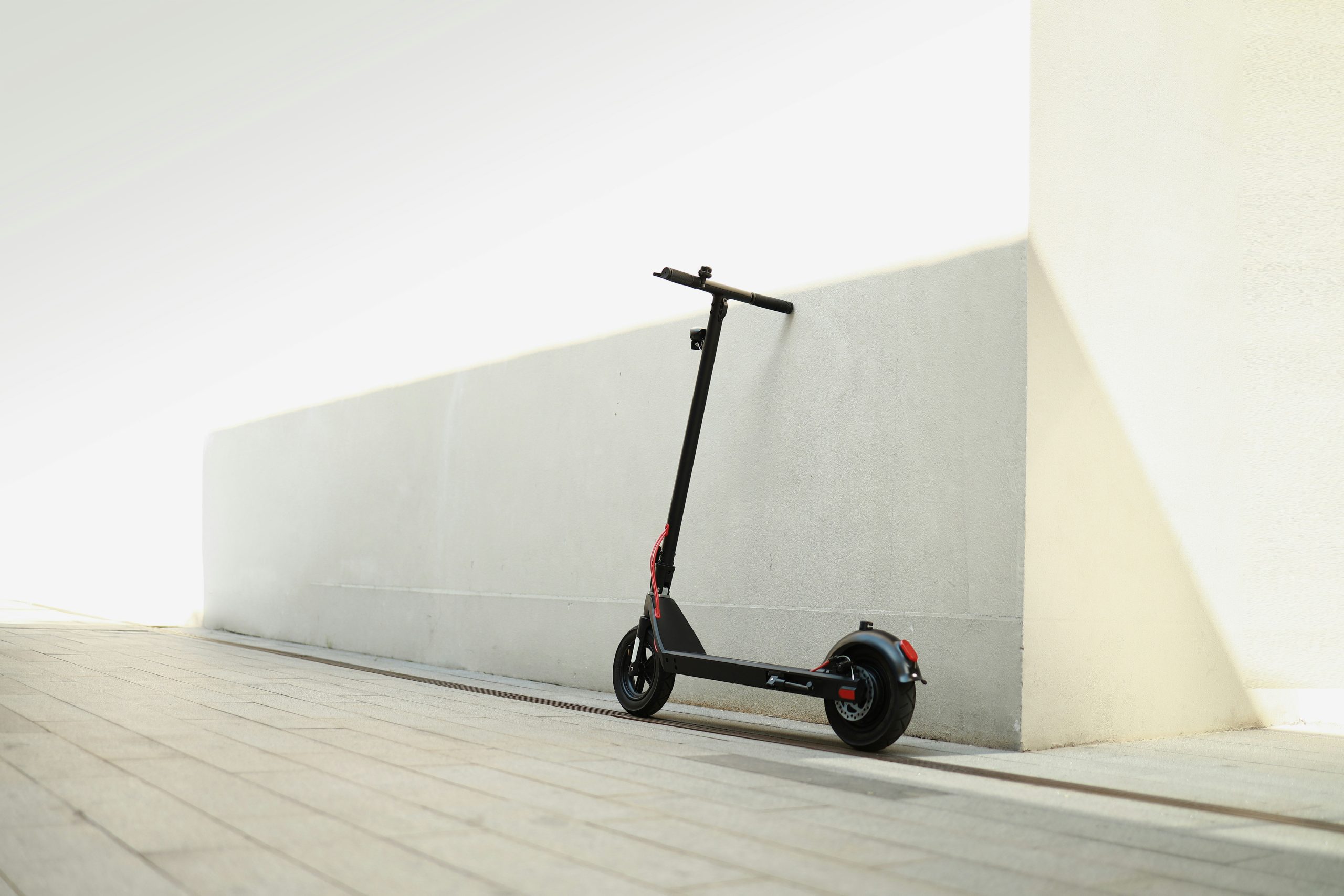
?Which electric scooter will give you the best blend of value, performance, and reliability for your needs?

What Is The Best Electric Scooter To Buy In The Market?
You want a clear answer that matches how you ride, where you travel, and how much you want to spend. The market is crowded with models tuned for commuting, off-road fun, long-range touring, or budget-first users. This article helps you pick the best one by breaking down categories, top contenders, comparisons, and practical buying and maintenance advice.
How to Decide What “Best” Means for You
You should define what “best” looks like based on how you plan to use the scooter. Is your priority daily commuting, weekend runs on mixed terrain, or maximizing range? Answering basic questions first will narrow your choices.
Think about distance, speed, portability, weight, storage, and local regulations. Balancing those factors helps you match a scooter’s strengths to your priorities so you end up satisfied rather than regretting a choice.
Key Factors to Consider Before Buying
You’ll want to evaluate the most important technical and practical features before committing. Each one affects performance, comfort, and longevity.
- Range and battery: Measure real-world range versus advertised specs.
- Motor power and top speed: Match power to your route and local laws.
- Build quality and weight: Heavier scooters can be sturdier but harder to carry.
- Suspension and tires: Important for comfort and handling on rough surfaces.
- Braking system: Disc, drum, regenerative, or combined systems affect stopping distance.
- Portability and folding mechanism: If you carry it on transit or store it in small spaces, this matters.
- Service network and warranty: Good support reduces long-term hassles.
- Price and total cost of ownership: Factor in accessories, replacement parts, and battery degradation.
How Range and Battery Performance Translate to Real Life
Battery capacity and claimed range can be misleading if you don’t account for real-world conditions. You should consider rider weight, terrain, speed you ride at, and temperature.
Batteries are rated in watt-hours (Wh). Higher Wh usually means more range, but heavier batteries increase overall weight. If you want consistent daily commuting with margin for detours, aim for a scooter with at least 400–600 Wh for 20–40 miles of mixed riding conditions.
Motor Power, Top Speed, and Acceleration
Motor wattage gives a sense of acceleration and hill climbing ability but isn’t the only metric. Peak vs continuous power matters — peak power helps in short bursts, while continuous power supports sustained climbs.
If your route has steep hills or you carry extra cargo, choose a scooter with higher continuous wattage (≥500W) or dual motors. For urban commuting on flat roads, a single 250–500W motor may be adequate and more efficient.

Portability, Weight, and Storage
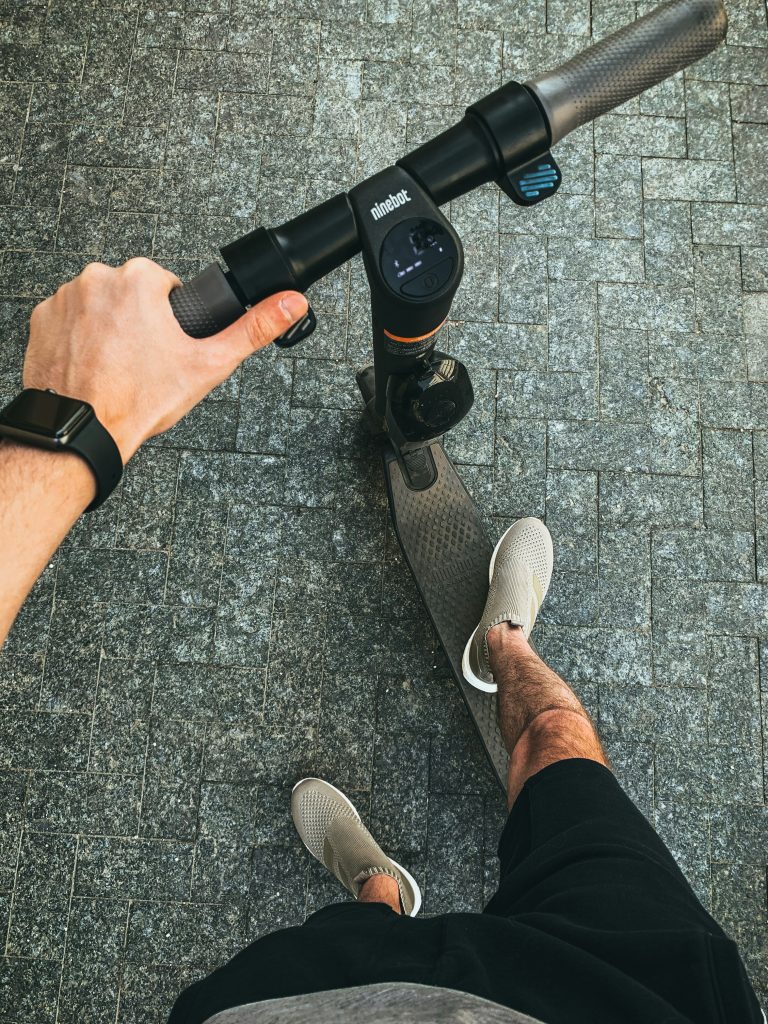
You need to assess how often you’ll carry the scooter onto buses, trains, or up stairs. Lighter scooters (≤30 lbs / 13.5 kg) are easier to transport but often sacrifice range and stability. Folding mechanisms should be solid and hassle-free; otherwise you’ll avoid folding it and lose the benefit.
Comfort: Suspension, Tires, and Ride Feel
Riding comfort has a huge effect on daily satisfaction. You’ll notice differences between solid tires (low maintenance, harsher ride) and pneumatic tires (more comfort, risk of punctures). Suspension—front, rear, or full—helps smooth bumps and reduces fatigue on longer rides.
Braking: Safety and Control
Reliable brakes aren’t optional. Look for scooters with dual braking systems (mechanical combined with regenerative or electronic braking). Progressive stopping power and good modulation let you ride with confidence in traffic.
Build Quality, Water Resistance, and Durability
A well-built scooter resists corrosion, keeps electronics safe, and handles daily wear. IP ratings indicate water resistance—aim for at least IP54 if you expect to ride in light rain. Check the frame material, weld quality, and deck design.
Price Ranges and What They Mean
- Budget ($200–$500): Often light, portable, limited range, lower top speeds, basic safety features. Good for short, occasional commutes.
- Mid-range ($500–$1,200): Better motors, larger batteries, improved durability, suitable for daily commuters.
- Premium ($1,200+): High performance, long range, dual motors, superior suspension, and advanced features.
Decide on your budget and remember to include helmet, lock, lights, and possible shipping or service costs.
Top Electric Scooter Categories and the Best Choice for Each
You should match a scooter to one of these categories based on your main use case.
Best for City Commuting (Short to Medium Distances)
City commuting requires portability, reliability, and adequate range. You want a scooter you can fold quickly and carry onto transit if needed while still handling daily streets and potholes.
- Typical features: 15–25 mph top speed, 15–30 mile range, foldable, moderate motor power.
Best for Long Range and Touring
If you need to cover 30 miles or more regularly, prioritize battery capacity and comfort. Larger batteries add weight, so consider whether you can store the scooter securely at destinations.
- Typical features: ≥600 Wh battery, 25–40+ mile range, comfortable deck, often dual motors for stability.
Best for Off-road and Trail Riding
For rough terrain you should look for robust suspension, fat tires, and higher motor power. These scooters are heavier and less portable but excel on gravel and unpaved trails.
- Typical features: powerful dual motors, large pneumatic or tubeless tires, strong suspension system.
Best Budget Pick
If cost is your biggest constraint, prioritize a reliable brand with a decent warranty and parts availability. Be realistic about range and durability expectations.
- Typical features: single motor, modest battery, foldable, basic safety features.
Best for Portability
If you frequently carry your scooter, choose a model that’s light, compact when folded, and has a secure locking mechanism to make transit easier.
- Typical features: weight ≤30 lbs, compact folded dimensions, sturdy carry handle.
Top Electric Scooter Models to Consider (2026 Market Overview)
You should see headline options at multiple price tiers. Below is a curated list of popular and well-reviewed models across categories — keep in mind manufacturers update specs frequently.
| Category | Model (Representative) | Key Strengths |
|---|---|---|
| City Commuter | Xiaomi 1S / Pro (or equivalent mid-range models) | Balanced range, light, reliable ecosystem |
| Premium Commuter | Segway Ninebot Max / Equivalent | Long range, comfortable ride, strong battery |
| Lightweight / Portable | Unagi Model One / Equivalent | Very light, sleek, easy to carry |
| Long Range / Touring | Dualtron Thunder / Kaabo Mantis Pro (high-end) | Huge range, dual motors, high top speed |
| Off-road | Kaabo Wolf Warrior, Dualtron Ultra | Rugged, powerful, built for trails |
| Budget | Razor E300 / Gotrax G4 / Xiaomi Essential | Affordable, entry-level commuting |
| All-rounder | Kaabo Mantis series / Segway GT series | Balanced performance and comfort |
Note: Model names and availability change fast; use this as a framework rather than a strict shopping list.
Detailed Look at Top Picks (Pros, Cons, Who Should Buy)
You’ll benefit from understanding each model’s real-world strengths and trade-offs. Below are representative models explained simply.
Segway Ninebot Max (Premium Commuter)
You’ll get long range, good stability, and a comfortable ride. It’s suited for daily commuters who need reliability and minimal maintenance.
- Pros: Large battery, comfortable deck, solid build, integrated app features.
- Cons: Heavier to carry, limited steep-hill performance for very hilly cities.
- Who should buy: You if you ride 15–30 miles and value reliability over portability.
Kaabo Mantis / Kaabo Wolf Warrior (Performance & Off-road)
These models focus on power and speed. You’ll appreciate the acceleration and handling on rough roads or mild trails.
- Pros: Dual motors, strong brakes, excellent suspension.
- Cons: Very heavy, expensive, may exceed local speed limits.
- Who should buy: You if you want top-speed thrills and off-road capability.
Unagi Model One (Portable & Stylish)
You’ll carry this easily and enjoy a sleek design. It’s best for short commutes and riders who prioritize portability.
- Pros: Lightweight, attractive design, user-friendly.
- Cons: Limited range, not ideal for steep hills or rough surfaces.
- Who should buy: You if you need a compact “last mile” scooter to pair with public transit.
Dualtron Thunder / Ultra (High-Performance Touring)
You’ll get massive battery capacity and power, making long rides and fast cruising possible. These are designed for enthusiasts.
- Pros: Long range, high top speed, robust construction.
- Cons: Heavy, expensive, may require licensing in some regions.
- Who should buy: You if you ride long distances regularly and want performance.
Gotrax / Razor Budget Models
These are good for learners or occasional riders. You’ll accept trade-offs like lower top speed and shorter range for a lower price.
- Pros: Very affordable, easy to use.
- Cons: Limited range, lower build quality, fewer safety features.
- Who should buy: You if you want to try electric scooters without committing much money.
Side-by-Side Comparison Table of Popular Models
You’ll find it easier to compare specs at a glance. Note that these are typical representative ranges; check exact model specs.
| Model (Representative) | Top Speed | Range (real-world) | Weight | Motor (single/dual) | Best For | Approx Price |
|---|---|---|---|---|---|---|
| Segway Ninebot Max | 18–20 mph | 25–40 miles | 41–46 lbs | Single ~350–700W | Long-range commuting | $700–$1,000 |
| Unagi Model One | 15–20 mph | 10–15 miles | 25–28 lbs | Dual small hub motors | Portability | $700–$900 |
| Kaabo Mantis Pro | 30–40+ mph | 40+ miles (touring config) | 55–70 lbs | Dual high-power | Performance & commuting | $1,500–$3,500 |
| Dualtron Thunder | 40+ mph | 40–80 miles (depends on battery) | 80+ lbs | Dual very high-power | Enthusiasts, long-range | $3,000+ |
| Gotrax G4 | 20 mph | 20–25 miles | 35–40 lbs | Single ~350W | Budget commuting | $300–$600 |
Remember to validate local speed limits and whether you need registration or a helmet law compliance.
Legal Considerations and Local Regulations
You should research local laws before buying. Regulations vary widely:
- Minimum age requirements and helmet laws.
- Where you can ride (bike lane, road, sidewalk restrictions).
- Speed limits and power limits for scooters in specific classifications.
- Licensing, registration, or insurance requirements in some jurisdictions.
Complying with regulations helps you avoid fines and increases safety for you and others.
Safety Gear and Practical Accessories
A scooter is only as safe as your protective measures. You should invest in a quality helmet, lights, reflective gear, a sturdy lock, and possibly knee/elbow pads if you ride aggressively.
- Helmet: Choose a certified helmet suitable for urban use.
- Lights: Front and rear lights are often required by law and vital at night.
- Lock: Consider folding locks or heavy U-locks that secure to the frame and wheels.
- Phone mount, pannier, or backpack: For carrying essentials.
- Extra battery or swappable pack: Useful for long commutes if the model supports it.
Maintenance Tips to Keep Your Scooter in Top Shape
Regular maintenance extends life and improves reliability. You should develop a simple checklist and routine.
- Check tire pressure and tread (pneumatic tires).
- Inspect brakes and brake pads; replace as needed.
- Keep moving parts clean and lubricated where appropriate.
- Avoid full battery drain on lithium packs; store at ~50% if unused long-term.
- Tighten bolts and check folding latch regularly.
- Seek professional service for electrical issues; avoid DIY unless skilled.
Battery Care and Charging Best Practices
Battery health determines long-term value. You should adopt habits that prolong battery life.
- Charge to full regularly but avoid letting the battery sit at 0% for extended periods.
- Avoid extreme cold and heat while charging or storing.
- Use the manufacturer-supplied charger and avoid third-party cheap chargers.
- Store batteries in a cool, dry place and maintain partial charge for long-term storage.
- Keep charging cycle counts in mind; lithium batteries degrade over time.
Common Mistakes Buyers Make
You can avoid these pitfalls by knowing common mistakes in advance.
- Choosing a scooter solely on top speed, ignoring range and durability.
- Failing to check weight and portability if you need to carry it.
- Overlooking local laws that restrict speed or where scooters can be ridden.
- Skipping safety gear to save money — the cost of a helmet is insignificant compared to medical bills.
- Buying poorly supported or obscure brands without spare parts availability.
Where to Buy and How to Validate a Seller
You should buy from a reliable retailer or directly from a brand with good customer support and a clear warranty policy. Consider the following:
- Authorized dealers: Provide warranty and service support.
- Brick-and-mortar stores: Allow you to test ride and inspect build quality.
- Reputable online retailers: Often offer better prices, but check return policies.
- Used market: Good for discounts, but inspect battery health and wear closely.
Verify serial numbers, warranty conditions, and return windows before you buy.
How to Test Ride and What to Look For
A test ride reveals a lot about a scooter’s fit for you. You should take a short route that mimics your typical use.
- Check acceleration from standstill and at speed.
- Test braking at different speeds and on different surfaces.
- Evaluate handling, turning radius, and stability.
- Fold/unfold to assess convenience and sturdiness.
- Listen for unusual noises and check vibration levels.
Buying Checklist Table
Use this checklist to compare models and pick the best match.
| Question | What to look for |
|---|---|
| How far do you ride daily? | Choose battery Wh and advertised real-world range with margin |
| Do you need to carry it often? | Aim for ≤30 lbs and compact folding dimensions |
| Do you face steep hills? | Look for higher continuous motor power or dual motors |
| Is off-road usage expected? | Prioritize suspension, tire size, and frame strength |
| What’s your budget? | Balance price with required features and warranty |
| How important is brand support? | Prefer manufacturers with service networks and spare parts |
Frequently Asked Questions (FAQs)
You should get quick answers to common concerns before deciding.
Q: How long does a scooter battery last? A: Typical lithium scooter batteries can last 2–4 years depending on charging habits and usage. Batteries degrade with cycles; expect 60–80% capacity after a few years for moderate use.
Q: Can I ride in the rain? A: Light rain is usually fine for scooters rated IP54 or higher, but avoid heavy rain, deep puddles, or flooding to prevent electronic damage and reduce accident risk.
Q: Do I need a license or insurance? A: Laws vary. Many places don’t require a license but do require helmets or restrict speeds. Check local transport authority rules.
Q: Are scooters theft-prone? A: They are, so invest in a strong lock and consider GPS trackers or secure storage.
Final Recommendations: How to Pick the Best Scooter for You
You’ll do best by mapping your priorities against the categories and models provided. Follow these practical steps:
- Identify your primary use (commute, range, off-road, portability).
- Set a realistic budget including accessories.
- Shortlist models with the right battery capacity and motor power.
- Check local regulations and confirm the scooter is legal where you ride.
- Test ride at least one model and inspect build quality.
- Verify warranty, parts availability, and service options.
Closing Thoughts
You should remember that “best” is subjective and depends on how you plan to use your scooter. Prioritize safety, practicality, and after-sales support as much as raw performance specs. With the right research and a clear idea of your priorities, you’ll find a scooter that delivers reliability, enjoyment, and value for years to come.
If you want, tell me your typical commute distance, average terrain, and budget, and I’ll narrow the list down to 3 specific models that fit your needs.