You’ll get a clear, friendly walkthrough of the VMAX electric scooter lineup so you can pick the right model for your riding style, range needs, and budget. The guide compares performance, features, and practical pros and cons to help you decide quickly.
You’ll find side-by-side breakdowns of the VX5 PRO GT, VX2 PRO GT, VX2 EXTREME GT, and VX4 GT, plus recommended accessories and savings codes like RIDERGUIDE and RG10 to lower your cost. The article highlights best-use scenarios for each scooter and suggests accessories to match your riding needs, and it reminds you to subscribe to the channels mentioned for the latest updates.
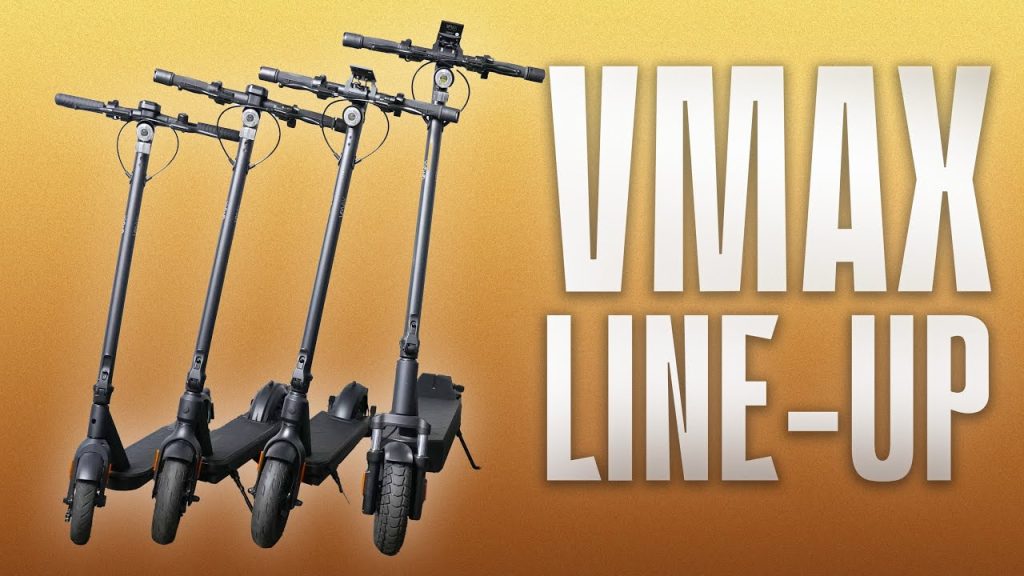

VMAX Lineup Overview
Summary of available models: VX5 PRO GT, VX2 PRO GT, VX2 EXTREME GT, VX4 GT
You’re looking at four main VMAX models: the VX5 PRO GT (the flagship/performance-focused model), the VX2 PRO GT (a powerful all-rounder aimed at commuters who want speed), the VX2 EXTREME GT (a torque and off-road tuned variant of the VX2 platform), and the VX4 GT (the more budget-minded, city-focused option). Each model shares a family design language and some common hardware choices, but they’re tuned and equipped to serve distinct rider priorities from speed and range to portability and rough-terrain capability.
Positioning: commuter, performance, off-road, budget
You’ll find the VX5 PRO GT positioned at the performance end: if you want top speed, high peak power, and long-range potential, that’s where the flagship sits. The VX2 PRO GT is the balanced commuter-performance pick — quick enough for spirited riding but still practical for everyday use. The VX2 EXTREME GT emphasizes off-road capability and torque delivery, with suspension and tires geared toward mixed surfaces. The VX4 GT is VMAX’s budget/urban model, designed for riders who prioritize affordability, maneuverability, and storage over outright speed and large battery capacity.
Key manufacturer claims and feature highlights
VMAX markets these scooters with claims around top speed, peak power, dual-motor setups (on some models), long-range battery packs, robust suspension, and heavy-duty braking. Highlights often called out include dual-motor configurations on higher-tier models, big-capacity lithium packs with smart BMS, long-travel suspension systems on off-road variants, and integrated lighting and cockpit displays. Keep in mind the company emphasizes value by packaging strong hardware at aggressive price points compared to some competitors.
How the lineup has evolved and what each model targets
VMAX has evolved by expanding from a simpler commuter range into more specialized models: the VX4 GT covers entry-level needs, the VX2 PRO GT moved the lineup into serious commuter-performance territory, the VX2 EXTREME GT brought in off-road tuning, and the VX5 PRO GT represents the maturation into a flagship category with maxed-out specs. Each model targets a separate rider profile: budget-conscious urban commuters (VX4 GT), daily riders who want more speed and range (VX2 PRO GT), off-road enthusiasts and mixed-surface riders (VX2 EXTREME GT), and performance-first riders who prioritize top speed, power, and range (VX5 PRO GT).
Core Specifications Compared
Top speed, rated power, and peak power differences between models
When you compare the models, the VX5 PRO GT claims the highest top speed and greatest peak power, followed by the VX2 PRO GT, then the VX2 EXTREME GT (which favors torque over outright top speed), and finally the VX4 GT as the lowest-performance but most practical option. Manufacturer-claimed top speeds and peak watts are often optimistic; expect real-world top speed to be lower depending on rider weight, gradients, and conditions. As a rule of thumb, higher-tier models use more powerful continuous-rated motors and higher peak bursts to accelerate and climb hills faster. If you value quick acceleration and high cruising speed, prioritize peak power and motor configuration when choosing.
Battery capacity (Wh), voltage, cell type and estimated range
Across the lineup, the higher-end models use larger battery packs (higher Wh) and often higher system voltage, which helps with both efficiency and sustained performance. Typical differences are that flagship models offer the highest Wh capacity and a BMS supporting higher discharge, mid-tier models have moderate capacity optimized for commuting, and the budget model uses smaller capacity prioritized for weight and cost. Most VMAX packs are lithium-based (high-drain cells) with smart BMS protection; manufacturer-claimed ranges are optimistic, so you should plan on real-world ranges that are 60–80% of the claimed figures depending on speed, rider weight, terrain, and temperature.
Weight, payload capacity, and foldability/portability
Heavier batteries and beefier frames on the VX5 PRO GT and VX2 EXTREME GT translate to higher curb weights, which boosts stability but reduces portability. The VX4 GT is the lightest and most portable model, easier to fold and stow. Payload capacity tends to be robust across the lineup, with heavier models rated for larger loads due to stronger frames and suspension. If you frequently carry your scooter upstairs or need to store it in tight spaces, the VX4 GT or a mid-tier VX2 PRO GT might be a better fit. Conversely, if you rarely carry it and prioritize ride quality, the heavier models will reward you.
Tire size, wheel type, and brake systems across the lineup
Tire and brake setups vary by model to match purpose: off-road and extreme models feature larger off-road tires (knobby or heavy-duty tubeless), longer-travel suspension, and stronger disc or hydraulic brakes. Commuter and budget models typically use smaller, smoother tires for efficiency and lower rolling resistance, with reliable mechanical or hydraulic disc brakes. Higher-end VMAX scooters prioritize hydraulic braking systems with larger rotors and, in many cases, regenerative braking to supplement stopping power and improve efficiency.

Performance & Ride Quality
Acceleration and hill-climb capability for each model
Acceleration and hill-climb capability scale with motor power, battery current capacity, and weight. The VX5 PRO GT will give you the strongest acceleration and hill-climb performance, useful for carrying heavier riders or climbing steep grades without overheating. The VX2 PRO GT offers very capable acceleration for everyday commuting and moderate hills. The VX2 EXTREME GT, although possibly not the absolute top speed champ, is tuned for torque and will hold its own on off-road climbs and steep, uneven terrain. The VX4 GT will handle urban inclines and short bursts of speed but isn’t designed for sustained high-load climbing.
Suspension setups and how they affect comfort and control
VMAX deploys progressively more capable suspension on higher-tier models. The VX4 GT and entry-level configurations use shorter-travel, stiffer setups tuned for urban potholes and curbs, resulting in a firmer ride but better energy efficiency. The VX2 PRO GT steps up with longer travel and tuned damping for a balanced mix of comfort and control at speed. The VX2 EXTREME GT and VX5 PRO GT often include the most advanced suspension—longer travel, adjustable preload, and tuneable damping—which smooths out rough terrain, improves traction, and maintains stability during aggressive riding. Better suspension also helps braking stability and decreases rider fatigue over longer rides.
Handling differences: deck size, steering geometry, and stability
Deck size and steering geometry shape how confident you feel in corners and at speed. Wider, longer decks (common on VX5 PRO GT and VX2 models) give you more foot room and a more planted feel, which improves stability at higher speeds and lets you shift weight during technical riding. Narrower decks on the VX4 GT make it more maneuverable in tight city traffic but less stable at high speeds. Steering geometry on performance models tends toward a design that balances quick turn-in with high-speed stability; if you value tight handling for urban commute, prioritize smaller wheelbase and responsive steering, whereas for confidence at speed, look for longer wheelbase and wider deck designs.
Real-world ride impressions: urban commuting vs spirited riding vs off-road
If you ride primarily in the city, you’ll appreciate the VX4 GT’s nimbleness and lighter weight for short commutes and storage. For mixed commuting and weekend fast rides, the VX2 PRO GT gives you a sweet spot of range, acceleration, and comfort. If you like aggressive rides, long distances, or often face hilly routes, the VX5 PRO GT will feel more refined and capable, especially at higher speeds. For unpaved trails and rougher surfaces, the VX2 EXTREME GT’s tires, suspension, and torque-focused tuning will make off-pavement riding more confidence-inspiring, but expect lower top speeds and heavier weight as trade-offs.
Range, Battery Life and Charging
Estimated real-world range under different riding conditions
Your range will vary by model and riding style. Under conservative urban commuting (moderate speed, stop-and-go) expect to achieve closer to the manufacturer’s inner-range claims, while high-speed riding, heavy cargo, steep hills, and cold temperatures reduce range significantly. As a general guide, budget models with smaller packs might offer reliable 20–40 km (12–25 miles) in mixed urban use, mid-tier scooters can provide 40–80 km (25–50 miles) depending on battery size, and flagship scooters with large packs can exceed those numbers under mild conditions. Treat manufacturer ranges as best-case scenarios; plan for roughly 60–80% of that for day-to-day use.
Charging times, chargers included, and optional fast-charging
VMAX generally includes a standard onboard charger reflective of the scooter’s battery voltage. Charging times will scale with battery capacity and charger amperage: larger batteries take longer on a stock charger. Some models support optional faster chargers or dual-port solutions to cut charging time significantly. If you rely on quick turnarounds between rides, consider a fast-charger option where available or carry a spare battery if the model supports hot-swapping.
Battery care tips to maximize lifespan and maintain capacity
To preserve battery health, you should avoid deep discharge cycles, keep your battery between about 20% and 80% for everyday use, and avoid leaving it fully discharged for extended periods. Charge after long or heavy rides, store the scooter in a cool, dry place, and avoid extreme temperatures when possible (cold reduces usable capacity temporarily; heat can accelerate degradation). Use the scooter’s recommended charger, update firmware when available, and if you can, perform occasional full cycles and calibrations per the manufacturer’s guidance.
Spare battery and upgrade options (if available)
Some VMAX models may offer spare battery options or aftermarket extended battery packs. If you frequently ride long distances, a spare battery or factory upgrade is a direct way to double range without changing riding habits. Confirm compatibility, mounting options, and charging considerations before buying a second pack, since weight and balance will change and require secure installation.
Build Quality and Durability
Frame materials and corrosion resistance
VMAX frames generally use welded aluminum or steel alloys depending on model and intended load. Higher-tier models often use thicker-gauge tubing and reinforced joints to handle stress from higher speeds and off-road use. Corrosion resistance depends on coatings and surface treatments; if you ride in wet conditions, ensure exposed bolts and electrical components are well-sealed and periodically check for rust or corrosion.
Water resistance ratings and what they mean in practice
VMAX typically provides an IP rating for electrical components; a common practical spec is IP54–IP65 range on many scooters, which means splash protection and limited dust ingress. In practice, that lets you ride in light rain and through wet roads, but you should avoid submerging the scooter, riding through deep puddles, or exposing it to heavy sustained downpours. Seals and connector health deteriorate over time, so inspect and dry components after wet rides.
Wear items to watch: tires, brake pads, suspension bushings
Expect to replace tires, brake pads, and suspension bushings periodically depending on mileage and riding style. Urban riding with lots of braking will wear pads faster; off-road use accelerates tire and bushing wear. Keep a maintenance schedule: check tire pressure and tread, inspect brake pad thickness, and look for play in suspension components. Replacing these components proactively preserves safety and ride quality.
Long-term durability considerations and user reports
Long-term durability depends on your maintenance habits and riding conditions. Heavier, more powerful models put more stress on electrical and mechanical systems, so they sometimes require more frequent servicing. User reports commonly emphasize that regular maintenance—tightening bolts, checking torque on clamp bolts, servicing brakes, and monitoring battery health—significantly extends scooter life and minimizes failures. If you plan heavy use, budget for periodic service and spare parts.
Safety Features and Braking
Brake types on each model: hydraulic, mechanical, regenerative
VMAX’s higher-tier models typically use hydraulic disc brakes for primary stopping power, often paired with regenerative braking to recover energy and stabilize deceleration. Mid-tier models may use a mix of hydraulic and mechanical discs. The VX4 GT, being budget-friendly, may use reliable mechanical discs or lighter hydraulic systems. Regenerative braking helps smooth deceleration and extend range but should not replace mechanical/hydraulic brakes for emergency stops.
Lighting: headlight, taillight, and auxiliary lights
Lighting across the lineup usually includes a bright forward-facing headlight, integrated taillight, and sometimes side or auxiliary lights on higher models for increased visibility. Brighter, adjustable headlights on flagship models make night riding safer, while rear brake-activated lights provide clearer signals to traffic. Always verify lumen output if night riding is important to you and consider aftermarket auxiliary lights for extra visibility.
Active safety aids: traction control, dual-motor management
Some VMAX models include electronic aids such as traction control, dual-motor management, and ride-mode limiting that improve control during acceleration and slippery conditions. These systems may throttle power delivery to prevent wheelspin or automatically balance power between dual motors to optimize traction. If you ride in variable conditions or off-road, models with active control systems can increase confidence and reduce the likelihood of wheel slip.
Recommended safety practices and rider gear
You should treat every ride like a safety-critical activity: always wear a helmet certified for your region, use gloves, and consider protective clothing (jacket, knee pads) for higher-speed or off-road riding. Inspect brakes and tires before rides, obey local laws and speed limits, and be mindful of road surface conditions. For night riding, use reflective gear and ensure lights are functioning. Practice progressive braking and smooth throttle application, especially in wet or loose-surface conditions.

Portability, Storage and Daily Use
Folded dimensions and how easy each model is to carry
Portability varies widely: the VX4 GT is designed to fold compactly and be carried more easily, while the VX5 PRO GT and VX2 EXTREME GT are heavier and bulkier when folded. If you must carry the scooter up stairs or onto public transit frequently, look for a lighter, more compact model or accessories like carrying straps. Hard to carry scooters trade convenience for ride performance and durability.
Storage considerations for commuters and apartment dwellers
For apartment dwellers, you’ll want a scooter that fits in your hallway or closet — measure both scooter folded dimensions and your available space. Battery removal options can reduce risk and weight when storing indoors. If you park outdoors or in a communal area, invest in a solid lock and consider weather protection covers. Heavier scooters are better left in garages or secure bike rooms when available.
Mounting accessories (racks, bags) and compatible solutions
You can equip your VMAX with racks, phone mounts, cargo bags, and pannier-style solutions for commuting. Choose accessories rated for scooter use and load limits; mounting locations vary by model so check compatibility and secure mounting points. A rear rack and lockable top bag are great for carrying groceries or a work laptop without affecting balance too much.
Weight trade-offs: performance vs portability
You’ll always face trade-offs: more battery and stronger motors add weight but increase range and performance; lighter scooters are easier to carry but will limit range and top speed. Choose based on what you value daily: if you commute long distances or want weekend rides, accept more weight for capability; if you rely on multi-modal commutes with stairs and transit, prioritize lighter models.
Off-Road and All-Terrain Capabilities
Which VMAX models are suited for off-road use and why
The VX2 EXTREME GT is VMAX’s targeted off-road model, with aggressive tires, stronger suspension travel, and torque tuning to handle dirt, gravel, and mixed surfaces. The VX5 PRO GT can also be used off-road in moderation thanks to its power and robust suspension, but it’s optimized for higher-speed paved riding. The VX2 PRO GT works for mild off-road trails if you fit suitable tires; the VX4 GT is best kept to paved surfaces and light gravel.
Tire options and aftermarket upgrades for rough terrain
For rough terrain, look for tubeless, high-volume, knobby tires that offer puncture resistance and better traction. Aftermarket upsized rims and tires can improve ride quality and terrain capability but check compatibility with brake calipers and fenders. Tire choice massively affects ride confidence — invest in quality tires and carry a repair kit if you plan off-road use.
Suspension tuning for mixed surfaces
Tuning suspension for mixed surfaces is about finding a balance: softer spring rates and more rebound damping help with bumps and ruts, while firmer settings maintain stability at speed. If your scooter has adjustable preload and damping, start with a medium setting and tune based on load and terrain: heavier riders or cargo benefit from stiffer preload, while rough trails call for softer damping and lower rebound. Regularly service suspension seals and bushings if you ride rough to maintain performance.
Limitations and recommended safety precautions off-road
Even off-road-capable scooters have limits: avoid extremely rocky or technical trails, deep water crossings, and steep drops. Off-road riding increases wear and risk of mechanical failure, so lower your speed, use protective gear, and ride within your skill level. Carry basic tools and spares, and inspect your scooter after hard rides for loose bolts, damaged tires, or bent components.
Accessories and Add-Ons
Recommended accessories: helmets, lights, locks, phone mounts
You should invest in a good helmet, a strong lock (U-lock or heavy-duty chain), bright auxiliary lights for night riding, and a secure phone mount. Additional helpful items include a high-quality pump or tubeless repair kit, gloves, and a small tool kit for roadside repairs. For cold regions, waterproof clothing and insulated gloves improve comfort and control.
VMAX accessory recommendations and bundle discounts
VMAX offers accessories and bundles that often match the scooter’s mounting points and electrical systems. Consider their branded racks, storage bags, and chargers if you want guaranteed fitment and warranty alignment. Bundles can save you cost when you buy lights, locks, and bags together, and they make outfitting your scooter for daily use easier.
Use codes: RIDERGUIDE for select VMAX models and RG10 for accessory discounts
When you’re ready to buy, you can use the code RIDERGUIDE at checkout for select VMAX models to get a promotional discount. For accessories, use the code RG10 to take 10% off qualifying items (some accessory offers may also provide $10 off depending on promotion). These codes are useful to reduce initial purchase and setup costs, so remember to apply them during checkout when available.
Aftermarket upgrades: tires, brakes, deck grips, mirrors
Aftermarket upgrades let you customize performance and comfort. Consider premium tires for better grip, upgraded brake rotors and pads for stronger stopping power, higher-grit deck grips for foot traction, and mirrors for road awareness. Ensure any aftermarket parts are well-reviewed and installed properly; incorrect upgrades can compromise safety and warranty coverage.
Conclusion
How to synthesize specs, use-case, and budget to pick the right VMAX
To choose the right VMAX, weigh what matters most to you: if portability and budget are priorities, lean toward the VX4 GT; if you want a daily commuter with strong performance without going full-flagship, the VX2 PRO GT is a balanced choice; if your riding includes off-road trails and torque demands, go for the VX2 EXTREME GT; and if top speed, range, and premium components are your focus, the VX5 PRO GT is the pick. Cross-reference motor power, battery Wh, weight, and suspension specs against your typical route and storage needs to make a practical decision.
Final checklist before purchase
Before you buy, check manufacturer-claimed top speed and realistic real-world expectations, battery capacity and charging options, curb weight and folded dimensions, suspension and tire specs for your terrain, braking system, warranty and service options, and what accessories are included. Don’t forget to apply promotional codes like RIDERGUIDE and RG10 where applicable to reduce cost.
Recommended next steps: test ride, check discounts, plan accessories
Your next steps are simple: arrange a test ride whenever possible to confirm fit and feel, verify current discounts and warranty terms, and plan essential accessories (helmet, lock, lights). If you expect long rides, consider spare batteries or fast-charging options. Use the codes RIDERGUIDE for eligible VMAX models and RG10 for accessory savings to make your purchase more budget-friendly, and enjoy refining your setup as you learn the scooter’s capabilities.
You’re now equipped to compare the VMAX lineup and pick the model that fits your riding style, storage needs, and budget. Happy riding — and stay safe out there!
Here is a breakdown of the VMAX Scooters lineup
🛴VMAX VX5 PRO GT
🔗
🎟️Use Code RIDERGUIDE at Checkout
🛴VMAX VX2 PRO GT
🔗
🎟️Use Code RIDERGUIDE at Checkout
🛴VMAX VX2 EXTREME GT
🔗
🎟️Use Code RIDERGUIDE at Checkout
🛴VMAX VX4 GT
🔗
🎟️Use Code RIDERGUIDE at Checkout
🚨RECOMMENDED ACCESSORIES
🔦Shredlights-
🎟️Get 10% OFF with Code RG10
🛞Armor-Dilloz-
🎟️Get 10% OFF with Code RG10
🧥Beyond Riders-
🎟️Get $10 OFF with Code RG10
⛑️Best Helmet List-
🚨Please subscribe to both of our Youtube Channels and Turn on Notifications for all up to date content.
/ @riderguide
/ @esg-electricscooterguide
🌐Website-
🌐Website-
📸 Instagram-
💬 FB Group-
