
Do I Need Any Special Training To Repair My Electric Scooter?
Do you find yourself wondering if you need any special training to repair your electric scooter? Look no further! This article will provide you with all the information you need to know about repairing your electric scooter without any specialized training.

Understanding Your Electric Scooter
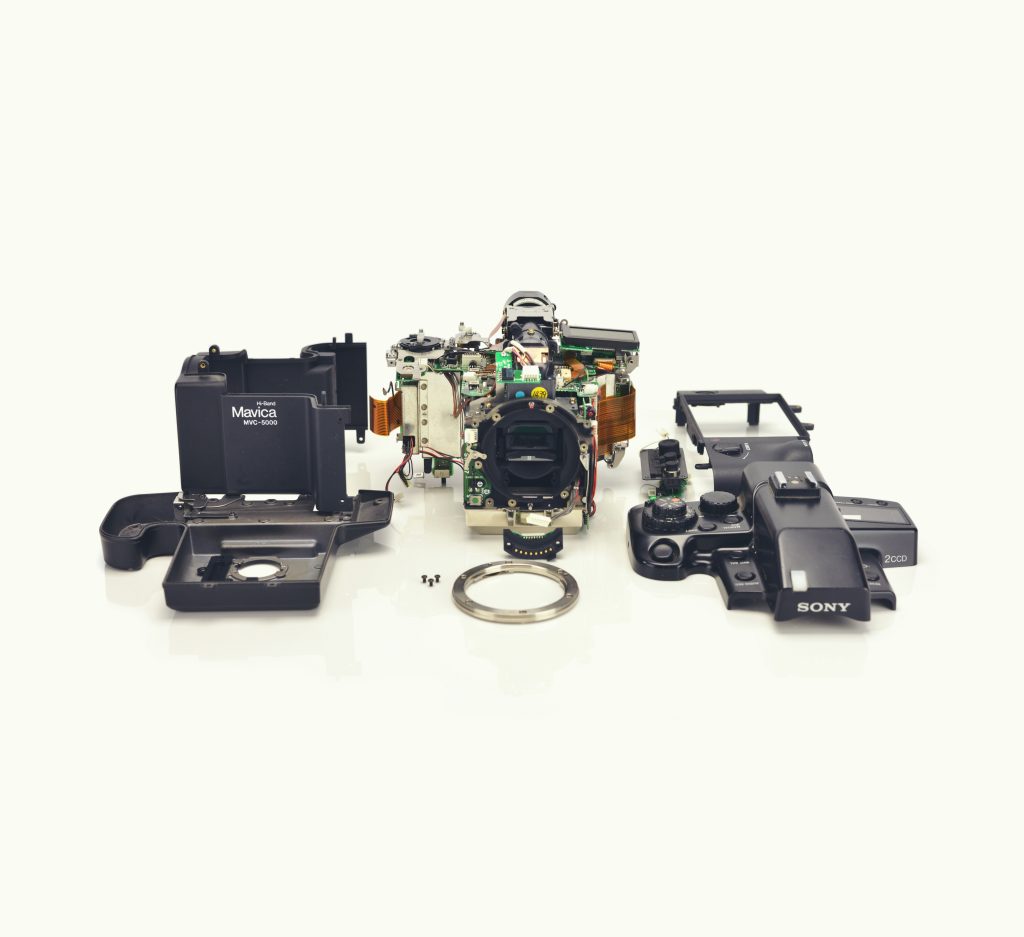
First and foremost, before attempting to repair your electric scooter, it is essential to understand how it works. Electric scooters are made up of various components such as the motor, battery, controller, throttle, and brakes. Familiarizing yourself with these parts will give you a better understanding of how your scooter functions.
Basic Tools Required
To repair your electric scooter, you will need some basic tools that are commonly found in most households. These tools include a screwdriver set, pliers, wire cutters, a multimeter, and a soldering iron. These tools will come in handy for troubleshooting and fixing common issues with your electric scooter.

Safety First
Safety should always be your top priority when repairing any electronic device, including your electric scooter. Make sure to wear safety goggles and gloves to protect yourself from any potential injuries. Additionally, always disconnect the battery before working on your scooter to avoid any electrical accidents.
Common Electric Scooter Issues
Now that you have a basic understanding of your electric scooter and the tools you need, let’s dive into some common issues you may encounter and how to troubleshoot them.
1. Battery Not Holding Charge
If you find that your electric scooter’s battery is not holding a charge, the first step is to check the connections between the battery and the controller. Loose connections can prevent the battery from charging properly. Additionally, using a multimeter to test the voltage of the battery can help determine if it needs to be replaced.
2. Motor Not Running
When your electric scooter’s motor is not running, it could be due to a faulty motor or controller. Start by checking the wiring connections between the motor and the controller. If the connections are secure, test the motor using a multimeter to see if it is receiving power. If the motor is not receiving power, it may need to be replaced.
3. Brake System Failure
If you are experiencing issues with your electric scooter’s brake system, such as the brakes not engaging or being too loose, start by inspecting the brake cables for any signs of wear or damage. Adjusting the tension of the brake cables can often resolve brake-related issues. If the problem persists, you may need to replace the brake pads or calipers.
Troubleshooting Tips
Here are some troubleshooting tips to help you diagnose and fix common issues with your electric scooter:
1. Check for Loose Connections
Loose connections are a common cause of electrical issues in electric scooters. Make sure to check all wiring connections and secure them properly to ensure a reliable connection.
2. Test Components Individually
When troubleshooting a specific issue, it is essential to test each component individually to determine where the problem lies. Testing the battery, motor, controller, and other components separately can help pinpoint the issue faster.
3. Refer to the User Manual
If you are unsure about how to troubleshoot or repair a particular issue, always refer to the user manual that came with your electric scooter. The manual will provide you with step-by-step instructions on how to perform basic maintenance tasks.
When to Seek Professional Help
While you can repair most common issues with your electric scooter on your own, there may be times when you need to seek professional help. If you are unable to diagnose the problem or do not feel comfortable performing the repair yourself, it is best to take your electric scooter to a certified technician.

Conclusion
In conclusion, you do not need any special training to repair your electric scooter. With a basic understanding of how your scooter works, the right tools, and some troubleshooting skills, you can easily fix common issues on your own. Remember to prioritize safety, follow proper procedures, and know when to seek professional help when needed. Happy scootering!
